Thinking about putting down roots in Wake Forest and wondering if Heritage fits your lifestyle? You want quiet streets, easy outdoor time, and a neighborhood that feels connected without giving up convenience. This overview gives you a clear picture of what life looks like in Heritage, from the golf course and greenways to housing styles, commute options, and what to know before you buy. By the end, you will have a practical checklist to help you decide with confidence. Let’s dive in.
Where Heritage sits and what it feels like
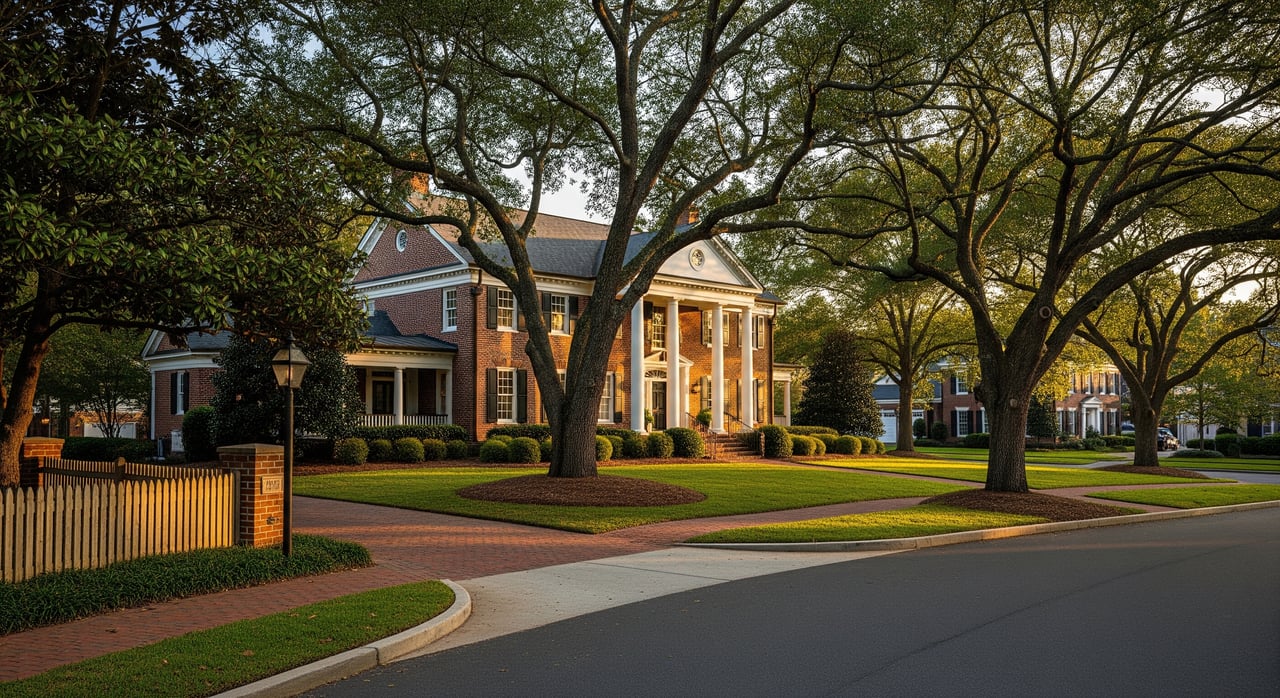
Heritage sits in ZIP code 27587 in northern Wake County, with a suburban feel and a strong sense of place. You will find tree-lined streets, sidewalks, and landscaped common areas that set a calm, polished tone. The community’s defining feature is an 18-hole golf course that shapes views, lot layouts, and daily life.
Many streets curve around fairways and ponds, so course-facing homes get broad, open vistas. Walking paths and neighborhood green spaces make it easy to get outside for a quick loop. The overall setting favors an active, outdoor lifestyle with the convenience of nearby Wake Forest amenities.
Amenities and everyday convenience
Golf course and clubhouse
An 18-hole course runs through the heart of Heritage, with a clubhouse that often serves as a social hub. Leagues, lessons, and tournaments are common features of course-centered communities, and dining or event spaces may be available. Membership and public access can vary by season and program, so confirm current options directly with the club before planning your routine around it.
Good to know: Course-adjacent homes may have maintenance easements or setback requirements. Ask your agent to request the specific plat and covenants for any lot you are considering.
Parks, greenways, and streetscapes
Sidewalks and internal walking paths support short strolls, dog walks, and jogs without leaving the neighborhood. Small pocket parks, ponds, and landscaped common areas add variety to daily routes. For broader connections, check the Town of Wake Forest’s parks and greenway maps to see how Heritage links to town trails and planned segments.
Street lighting, a mature tree canopy, and relatively low-speed local roads contribute to calm daily movement. On-street parking and driveway spacing vary by street and phase, so it is smart to drive your intended route at different times of day.
Shops, healthcare, and errands
Heritage places you close to the daily basics in Wake Forest. Grocery stores, pharmacies, banks, and service retailers are a short drive from most sections of the neighborhood. Healthcare providers include primary care offices, dental clinics, urgent care centers, and larger hospital systems serving the area. If being five to ten minutes from errands matters to you, map your most frequent stops relative to the specific streets you are targeting.
Homes and architecture
What you will see
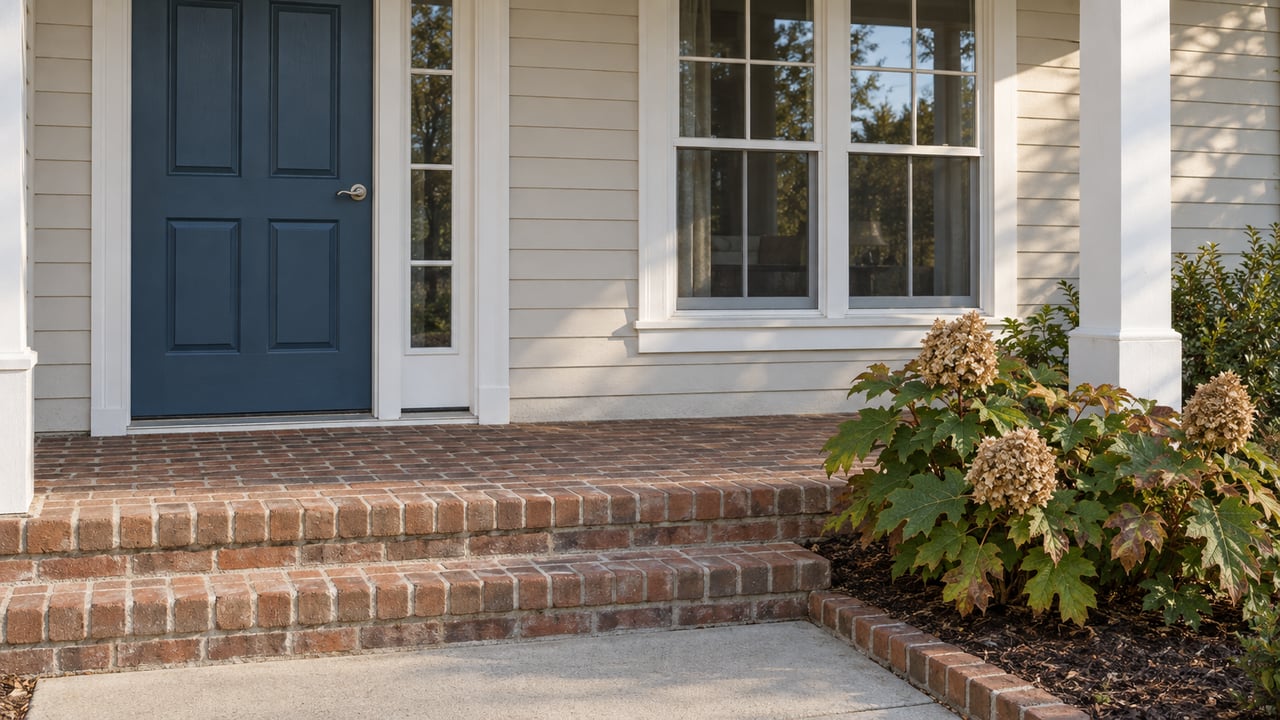
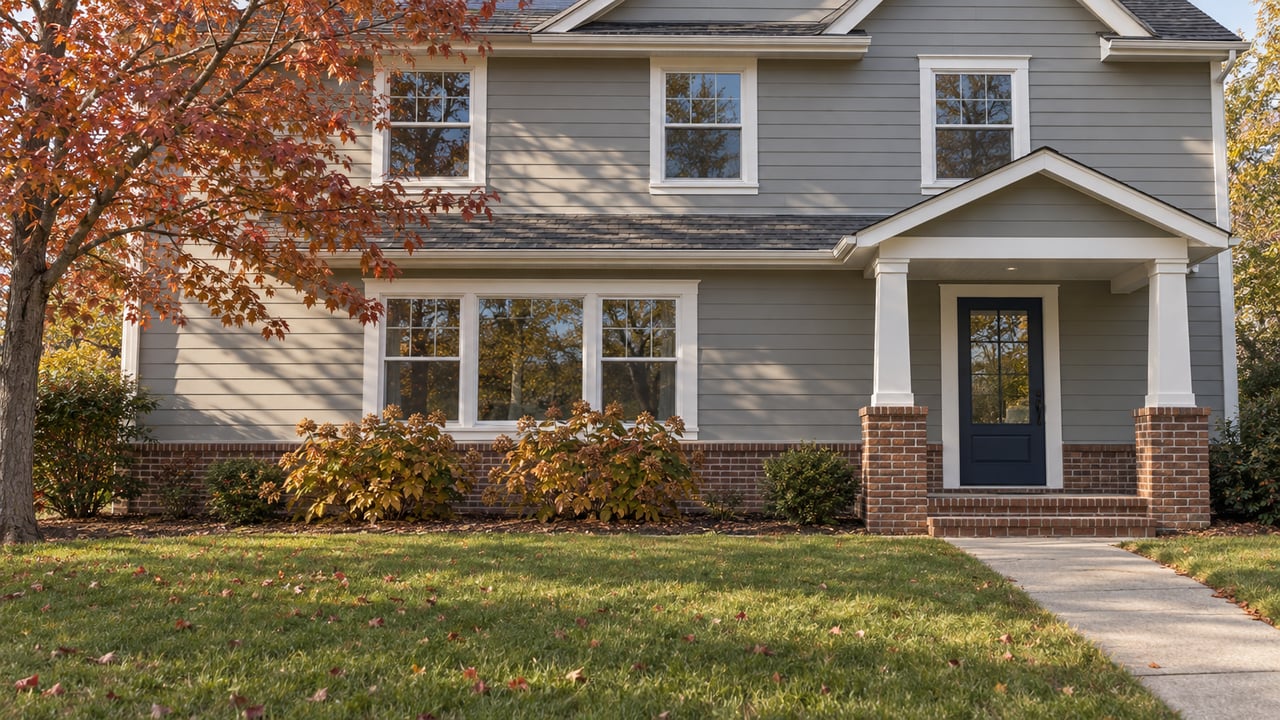
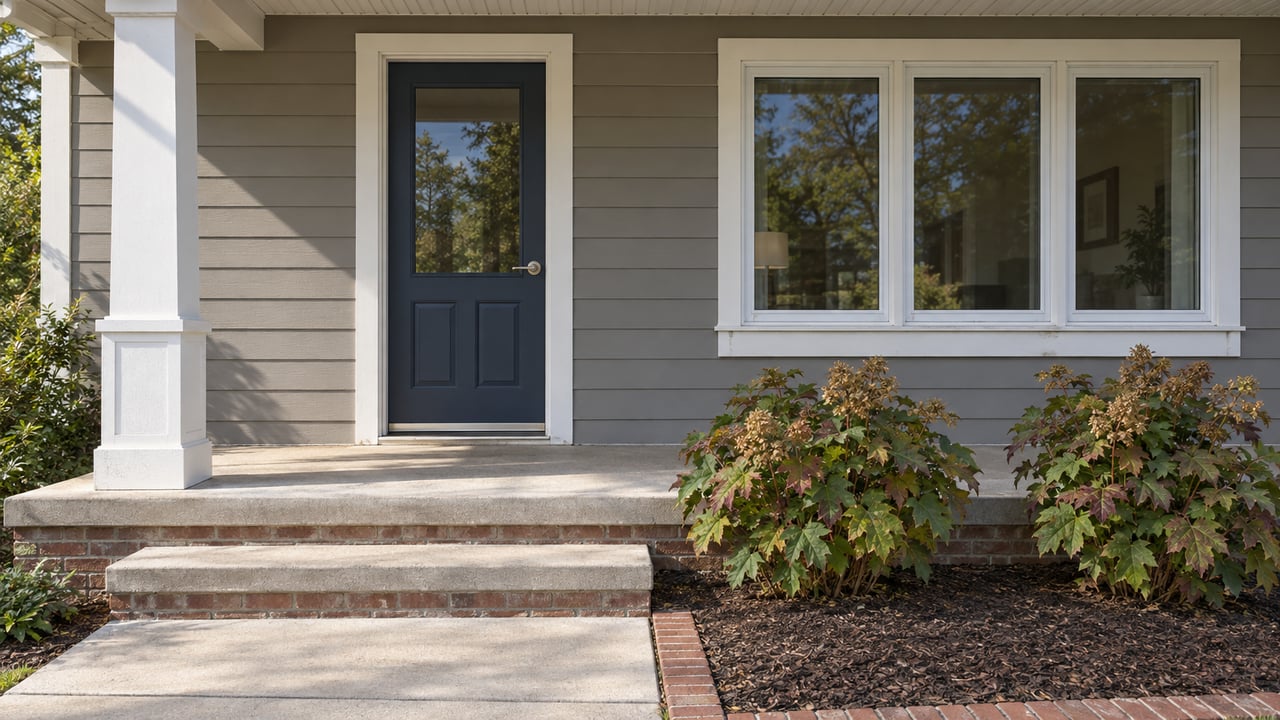
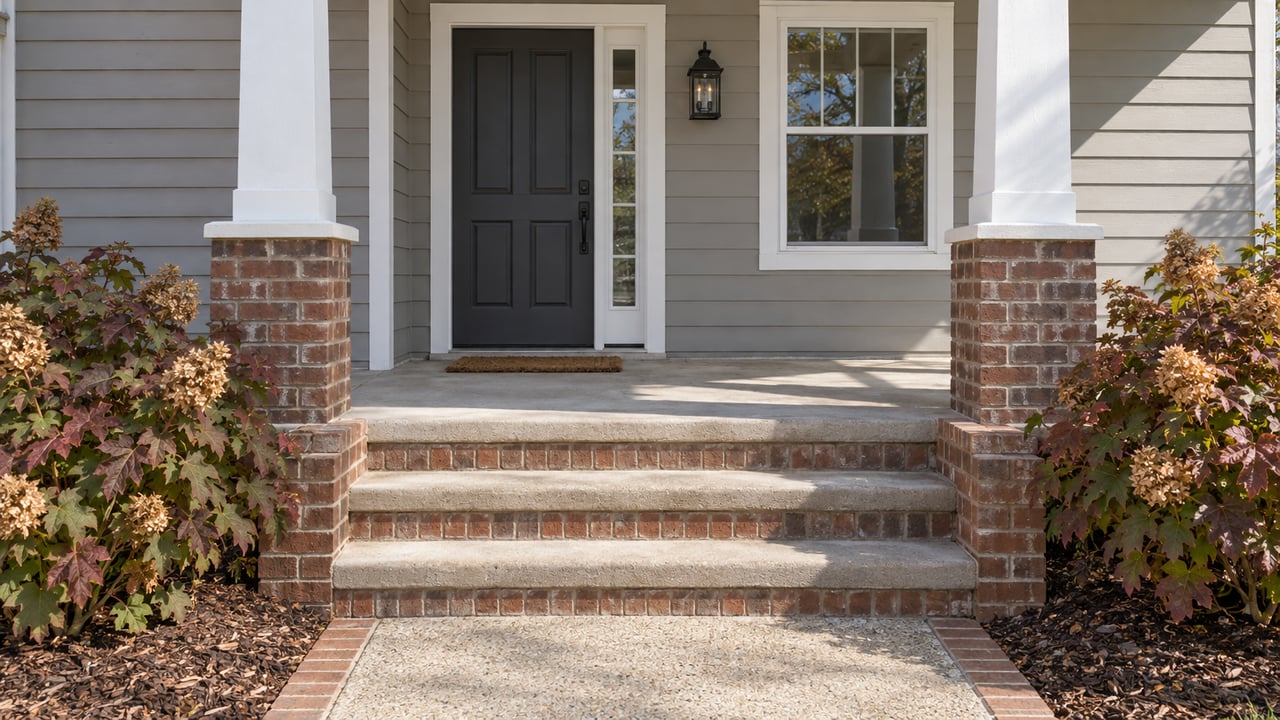
Detached single-family homes are the primary housing type in Heritage. Many feature front porches, attached garages, and well-kept yards. Architectural styles lean traditional with Craftsman and Neo-Colonial influences, which complements the tree-lined streets and golf-course views.
Lot sizes and setbacks vary by section. Course-facing homes often have larger rear views with less tree cover, while interior lots may feel more wooded or private. If backyard orientation matters for sunlight or gardening, bring a compass or visit at different times of day.
Age and builders
Like many master-planned communities in Wake Forest, Heritage was built in phases over the past few decades. You will see a mix of homes from different build eras and, in some sections, work by multiple regional builders. If you prefer a certain finish level or floor plan, ask for a list of recent sales by section to preview typical layouts and updates.
Living on the course
Golf-course living offers broad views and open space. It can also bring early morning maintenance noise or occasional golf traffic behind the home. Privacy varies by hole and tree cover. Review fencing rules, landscape guidelines, and any course easements with the HOA documents before you commit.
Schools and child-focused services
Public school assignments in Wake County can change with redistricting. Use the Wake County Public School System assignment tool or contact the district to confirm the current school path for a given address. Heritage is also near a range of childcare options, including daycare centers and church-affiliated preschools, plus private school choices in the broader area.
Because programs and boundaries evolve, verify details for your specific lot and timeline. If schools are a priority in your decision, build that check into your offer timeline.
Commute and transportation
Getting around day to day
Internal walkability is moderate, with sidewalks and trails supporting local walks and runs. Many errands still require a car. Wake Forest has limited fixed-route public transit compared to Raleigh, so most residents rely on driving for daily commuting and errands.
Commuting to Raleigh, RTP, and RDU
You can reach major employment centers using regional corridors, including US‑1, NC‑98, and I‑540. Drive times vary based on time of day and construction. If you commute during peak hours, test your route on a weekday to gauge real travel times to downtown Wake Forest, downtown Raleigh, Research Triangle Park, and RDU Airport.
HOA, rules, and what to ask
Heritage includes one or more homeowners associations that govern common-area upkeep and neighborhood standards. Fees, services, and rules vary by section and change over time. Before you buy, request and review the most recent documents.
A quick due diligence checklist:
- HOA covenants, bylaws, budgets, and architectural guidelines
- Any pending special assessments or recent meeting minutes
- Rules for exterior changes, fencing, landscaping, sheds, and play equipment
- Golf-course and common-area easements that touch the lot
- Pet rules, parking policies, and short-term rental restrictions
Buyer tips for Heritage
A little preparation goes a long way. Use this list to move with confidence:
- Confirm school assignments with WCPSS for your exact address.
- Ask for a recent seller’s property disclosure, utility bills, and any transferrable warranties.
- Check roof, HVAC, and window ages, which often track with the build era. Budget for updates if systems are near end of life.
- Review drainage near ponds or low spots and consider a survey if you have concerns.
- Verify floodplain status with FEMA maps if the lot is near a pond or stream.
- For course-facing homes, confirm yard boundaries, ball-screen options, and mower access easements.
- Plan standard inspections, and add specialty inspections as needed for pools or other features.
Is Heritage the right fit for you?
If you value a polished neighborhood setting, active outdoor options, and the visual appeal of golf-course vistas, Heritage offers a compelling mix. Sidewalks, green spaces, and nearby services make daily life convenient, while the course and clubhouse create a natural social focal point. The tradeoffs to weigh include HOA rules, seasonal course activity near certain homes, and the age and maintenance needs of properties built in different phases.
We help you navigate these details with clarity. From verifying HOA specifics and school assignments to evaluating individual lots, our team brings local insight to every step.
Ready to explore homes in Heritage or nearby Wake Forest neighborhoods? Let’s talk about your goals and create a plan that fits your timeline. Connect with Matt Bergevin for a friendly, no-pressure consultation.
FAQs
Is Heritage walkable to daily conveniences in Wake Forest?
- Internal sidewalks and trails support short walks, but many errands like grocery runs usually require a quick drive.
Are golf-course amenities open to the public in Heritage?
- Access varies by program and season; confirm current membership and public options directly with the club before planning your routine.
How are public schools assigned for homes in Heritage?
- Assignments are set by Wake County Public School System and can change; use the district’s assignment tool or call the district to verify for a specific address.
What HOA rules should buyers expect in Heritage?
- Expect covenants that guide exterior changes, landscaping, and fencing, plus fees for common-area upkeep; review the latest HOA documents and budgets before you buy.
Is Heritage a good location for commuting to Raleigh or RTP?
- Many residents use US‑1, NC‑98, and I‑540 to reach Raleigh, RTP, and RDU; travel times vary, so test your route during your typical commute.
What inspections are recommended for Heritage homes?
- Plan standard home, roof, and HVAC inspections; add drainage, pool, or specialty checks if the property has those features or sits near ponds or fairways.