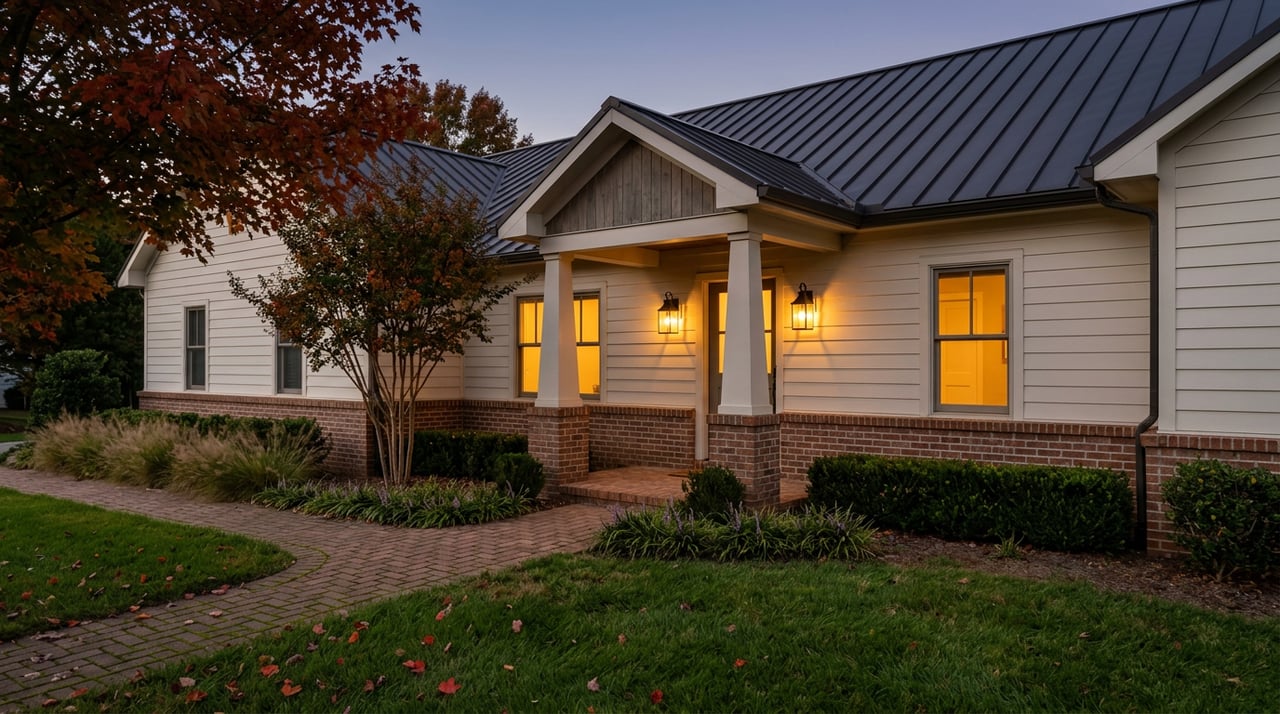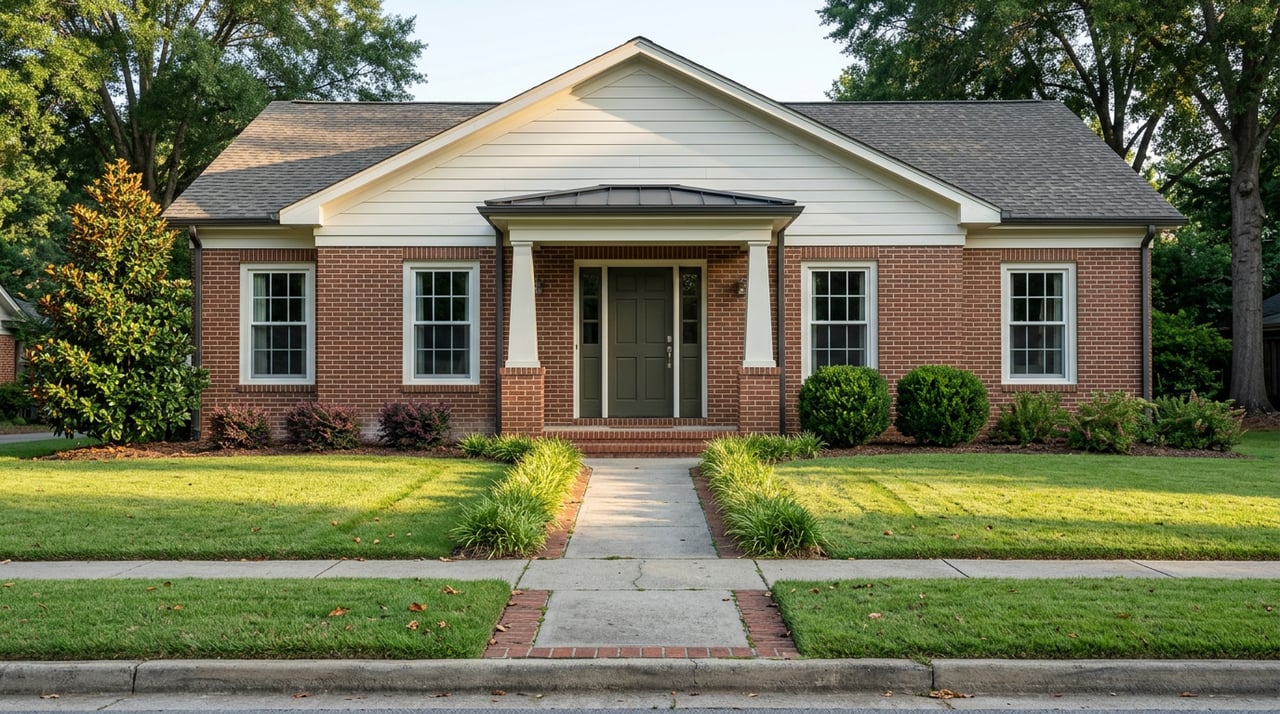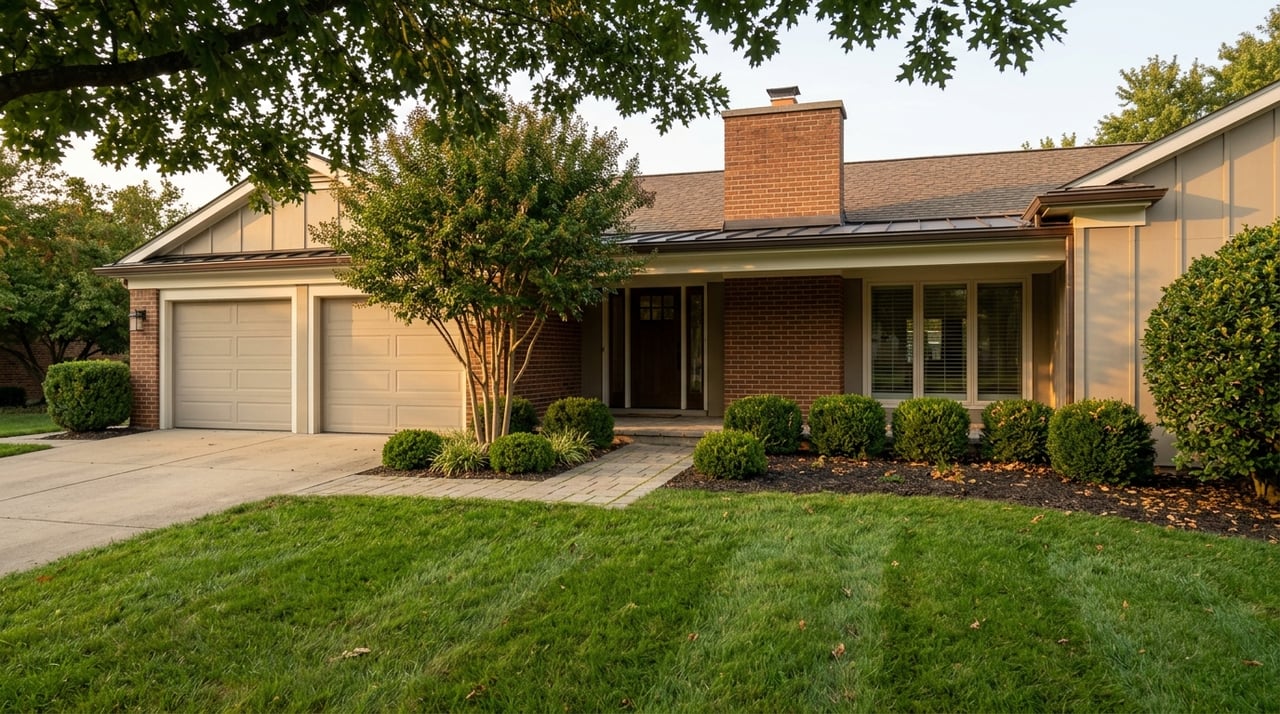
Moving to a new area from a distance can feel exciting and overwhelming at the same time. If you are considering Heritage in Wake Forest, you are likely trying to answer two big questions fast: Will this neighborhood fit my day-to-day life, and can I buy there confidently without being local? The good news is that Heritage offers a strong mix of community amenities and a North Carolina purchase process that can work well for remote buyers. Let’s dive in.
Why Heritage stands out
Heritage is a large master-planned community in Wake Forest. Town information describes it as a 2,600-acre development that began in 2000 and includes a golf course, clubhouse, swim and tennis club, public schools, and commercial uses.
That matters when you are relocating from out of state or from another part of North Carolina. Instead of learning a scattered area piece by piece, you can focus on a community with a defined layout, built-in amenities, and a clear identity within Wake Forest.
What daily life looks like in Heritage
For many remote buyers, lifestyle fit matters just as much as the house itself. Heritage offers a suburban setting with recreation, schools, and outdoor access woven into the area.
Town materials place Smith Creek Soccer Center within the Heritage subdivision at 690 Heritage Lake Road. Heritage High School Park is also part of the Heritage master plan and includes soccer fields, baseball and softball fields, plus six lighted tennis courts with public use after school hours and on weekends.
Greenway access is another notable part of the area. The Smith Creek trail begins at Smith Creek Soccer Center, runs past Heritage Middle, Elementary, and High, connects to Sanford Creek Greenway behind Heritage High School, and the Dunn Creek Greenway offers access toward downtown Wake Forest.
If you work from home full time or part time, those features can shape your weekly routine in a meaningful way. It can be easier to picture your life in a place where parks, trails, and everyday recreation are close at hand rather than requiring a long drive.
Schools are part of the community fabric
If school proximity is on your checklist, Heritage has a distinct setup. Heritage Elementary is located at 3500 Rogers Road, Heritage Middle is at 3400 Rogers Road, and Heritage High is at 1150 Forestville Road.
Heritage High School serves northern Wake County and opened in 2010. Because schools are embedded in the broader community layout, many buyers see Heritage as a place where day-to-day routines can feel more centralized.
That said, if you are buying remotely, it is smart to verify the school assignment for any specific address before you make an offer. Heritage is a large community, and transaction decisions should be based on the exact property rather than assumptions about the neighborhood as a whole.
Heritage can fit remote work well
Not every neighborhood works equally well for a remote or hybrid schedule. Heritage tends to appeal to buyers who want a suburban environment with local amenities nearby, while still maintaining practical access to the broader area.
Wake Forest has a commuter-oriented transportation setup rather than a dense urban transit system. The Wake Forest-Raleigh Express provides hourly all-day express bus service with stops at Downtown Wake Forest, Triangle Town Center, and Downtown Raleigh, and Go Wake Forest offers on-demand microtransit within town limits and part of Wakefield.
Most daily trips in and around Heritage will still be car-based. Still, the mix of road access, local transit options for selected trips, and internal parks-and-trails connections can make the area a strong fit if you want flexibility in how you move through your week.
Road access and local connections
When you buy from a distance, you need more than a pretty listing. You need to understand how the neighborhood connects to the rest of town.
Wake Forest’s transportation planning includes roads that matter to Heritage-area travel, such as Heritage Lake Road, Rogers Road, Forestville Road, Capital Boulevard, and Dr. Calvin Jones Highway/NC 98 Bypass. These corridors help shape how residents connect to downtown Wake Forest, Raleigh-area destinations, and other parts of Wake County.
Downtown Wake Forest also adds to Heritage’s appeal. The town describes downtown as a place with local shops and businesses that serves as a gathering place for community members.
Why planned growth matters
One detail remote buyers often overlook is how a town manages growth. Wake Forest’s planning department coordinates subdivision review, transportation planning, greenways, historic preservation, and other long-range work.
That does not remove every challenge that can come with a growing area, but it does show that Heritage sits within a town that is actively planning for the future. For a relocating buyer, that can provide useful context when evaluating long-term fit.
How a remote purchase works in North Carolina
One of the biggest concerns for long-distance buyers is process. You want to know whether North Carolina gives you enough structure and flexibility to make smart decisions while you are not physically in town every day.
In North Carolina, the standard residential contract does not provide a general cooling-off period. Instead, buyers typically negotiate a due diligence period that gives them time to investigate the property and the financial side of the purchase, including financing, appraisal, and insurance.
During that due diligence period, a buyer may terminate the contract for any reason or no reason. For a remote buyer, this is one of the most important parts of the transaction because it is your main window to gather inspection results, review documents, and decide whether to move forward.
Understand the due diligence fee
North Carolina transactions often include a due diligence fee, although it is not required in every deal. The fee is negotiated between buyer and seller, paid directly to the seller, generally nonrefundable, and credited to the purchase price if the transaction closes.
Because of that structure, timing matters. You want enough due diligence time to complete inspections, review lender requirements, and handle appraisal and insurance questions before the deadline passes.
For remote buyers, this is where strong communication and careful planning become essential. Virtual tours are helpful, but the due diligence window is when you confirm the details that matter most.
Remote closings can be workable
North Carolina is an attorney-led closing state. Buyers should hire a North Carolina-licensed attorney to handle the closing, and that attorney typically examines title, obtains title insurance, supervises signing, and records the deed and any deed of trust.
The state also supports several remote-friendly tools. North Carolina can use eSignatures, eRecording, and eNotary services, and the state’s Remote Electronic Notarization framework supports digital notarization when the required rules are followed.
Wake County also provides online access to recorded real property documents through its Register of Deeds system, and the county recognizes electronic documents as recordable document types. Taken together, these features suggest that a hybrid or remote closing can often work when the attorney, lender, and notary process are aligned.
What to verify before making an offer
Remote buyers should avoid treating Heritage like one uniform experience. It is a large community with multiple schools, park facilities, greenway connections, and road access points.
Before you make an offer, verify these details for the exact address:
- School assignment
- HOA documents and community rules
- Access to roads you expect to use most
- Your likely commute pattern, even if you work hybrid
- Property condition during the due diligence period
This step can help you separate the appeal of the broader neighborhood from the realities of the specific home.
A smart way to evaluate Heritage from afar
If you are relocating to Heritage Wake Forest as a remote buyer, focus on both lifestyle and process. On the lifestyle side, Heritage offers a master-planned setting with schools, parks, greenways, and recreation amenities built into the community fabric.
On the process side, North Carolina gives buyers a defined due diligence period, uses attorney-led closings, and supports digital tools that can make remote coordination more manageable. That combination can help you make a confident move without relying on guesswork.
The key is having local guidance that keeps your search grounded in the exact property, the exact location, and the exact contract timeline. If you want a high-touch, clear communication approach while you explore Heritage from a distance, connect with Matt Bergevin to schedule a consultation.
FAQs
Is Heritage in Wake Forest a good fit for remote buyers?
- Heritage can appeal to remote buyers who want a suburban community with built-in amenities, greenway access, recreation spaces, and practical access to Wake Forest and Raleigh-area destinations.
What amenities are located in the Heritage community?
- Town materials describe Heritage as including a golf course, clubhouse, swim and tennis club, public schools, commercial uses, and nearby recreation features such as Smith Creek Soccer Center and Heritage High School Park.
How do North Carolina home purchases work for remote buyers?
- North Carolina uses a negotiated due diligence period instead of a general cooling-off period, which gives you time to investigate the property, financing, appraisal, and insurance before your deadline.
Can you close on a Wake Forest home remotely?
- A remote or hybrid closing can often be workable in Wake County when the closing attorney, lender, and notary workflow are aligned, supported by eSignatures, eRecording, and electronic notarization rules.
What should you verify before buying in Heritage Wake Forest?
- You should verify the specific property’s school assignment, HOA documents, road access, commute fit, and inspection findings during the due diligence period.