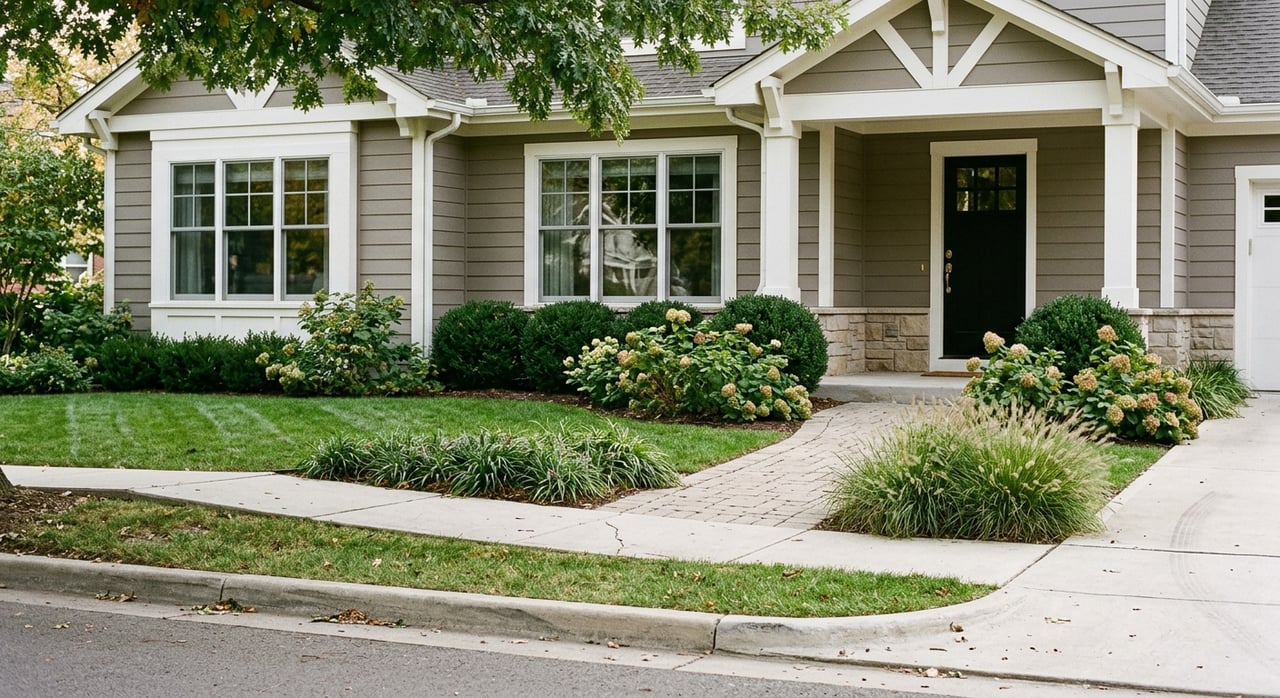
Thinking about selling your home in Wake Forest? You are not alone, and you are not imagining the pressure. In a market where buyers are active but selective, the difference between a smooth sale and a stressful one often comes down to preparation, pricing, and timing. If you want to sell with more confidence and less guesswork, this guide will walk you through what matters most in Wake Forest right now. Let’s dive in.
Wake Forest Market Snapshot
Wake Forest continues to attract attention for good reason. The town has about 56,000 residents, around 1,000 housing starts, and convenient access to RDU, RTP, and downtown Raleigh. That mix helps support a buyer pool that includes both local movers and relocation buyers.
The market is still moving, but it is not a place to price casually. Realtor.com’s May 2026 snapshot shows a median listing price of $550,000, 801 homes for sale, 42 median days on market, and a 99% sale-to-list ratio. Redfin’s recent closed-sale data shows a median sale price of $489,707, 38 days on market, about two offers per home, and a 98.7% sale-to-list ratio.
The biggest takeaway is simple: asking prices and closed prices are not the same thing. If you want to sell with clarity, you need to base your strategy on recent sold comparables, not just what active listings hope to get.
Neighborhood Pricing Matters
Wake Forest is not one uniform market. Local pricing varies widely by area, with Realtor.com showing median listing prices around $330,000 in Traditions, $625,000 in Heritage, $349,900 in Northeast Wake Forest, and about $1.04 million in Hasentree.
That range matters because buyers compare homes at the neighborhood level. A home’s age, condition, lot size, updates, and location within its subdivision all affect value. Broad town averages can be useful for context, but they are not enough to set a smart list price.
Start With a Pre-Listing Plan
A strong sale usually starts before your home ever hits the market. In Wake Forest, where some homes can go pending quickly and others need price reductions, the homes that launch well tend to have a clear plan behind them.
That plan should include your timeline, your pricing approach, your paperwork, and your home presentation. It should also include realistic expectations about what buyers may notice, question, or negotiate once showings begin.
Gather Your Seller Documents Early
North Carolina sellers should expect disclosures to come early in the process. State law requires a residential property disclosure statement, and if your home is part of an owners’ association, you also need an owners’ association and mandatory covenants disclosure statement.
The residential disclosure form covers items such as the roof, foundation, mechanical systems, water and sewage systems, infestation damage, zoning and covenants, encroachments, and environmental concerns. You may choose “no representations” on the form, but that does not remove the separate duty to disclose known material facts.
North Carolina also requires a separate Mineral and Oil and Gas Rights Mandatory Disclosure Statement before an offer is made. If your home was built before 1978, federal lead-based paint disclosure rules apply as well.
Build a Practical Seller File
Having records ready can save time and reduce stress once buyers start asking questions. A practical file may include:
- Repair receipts
- Appliance warranties
- HOA documents
- Permit records for additions or major work
- Notes on past maintenance or improvements
When you have this information organized, it is easier to respond clearly during negotiations and due diligence.
Prepare Your Home to Compete
Wake Forest has an active housing pipeline, with about 1,000 housing starts noted by the town. That means many resale homes are competing not only with other existing homes, but also with newer and more polished inventory.
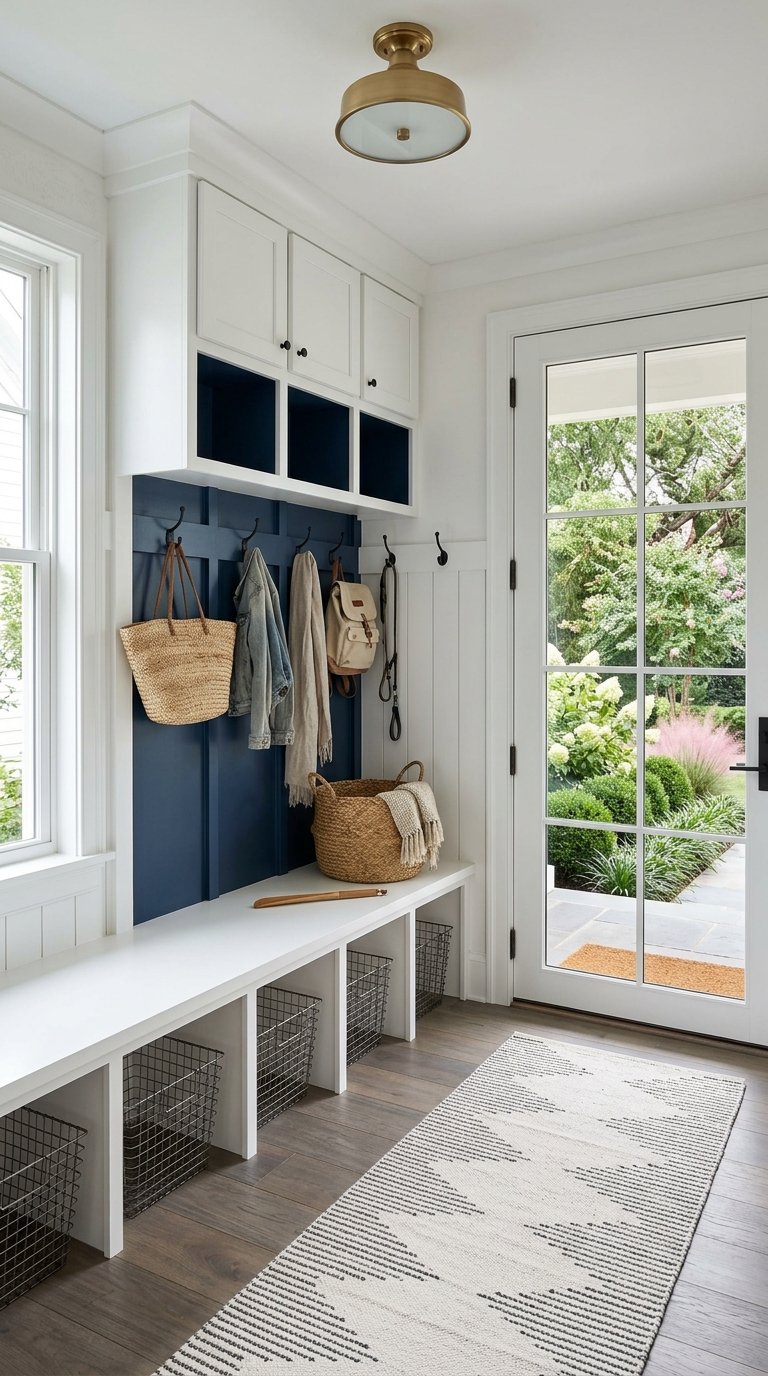
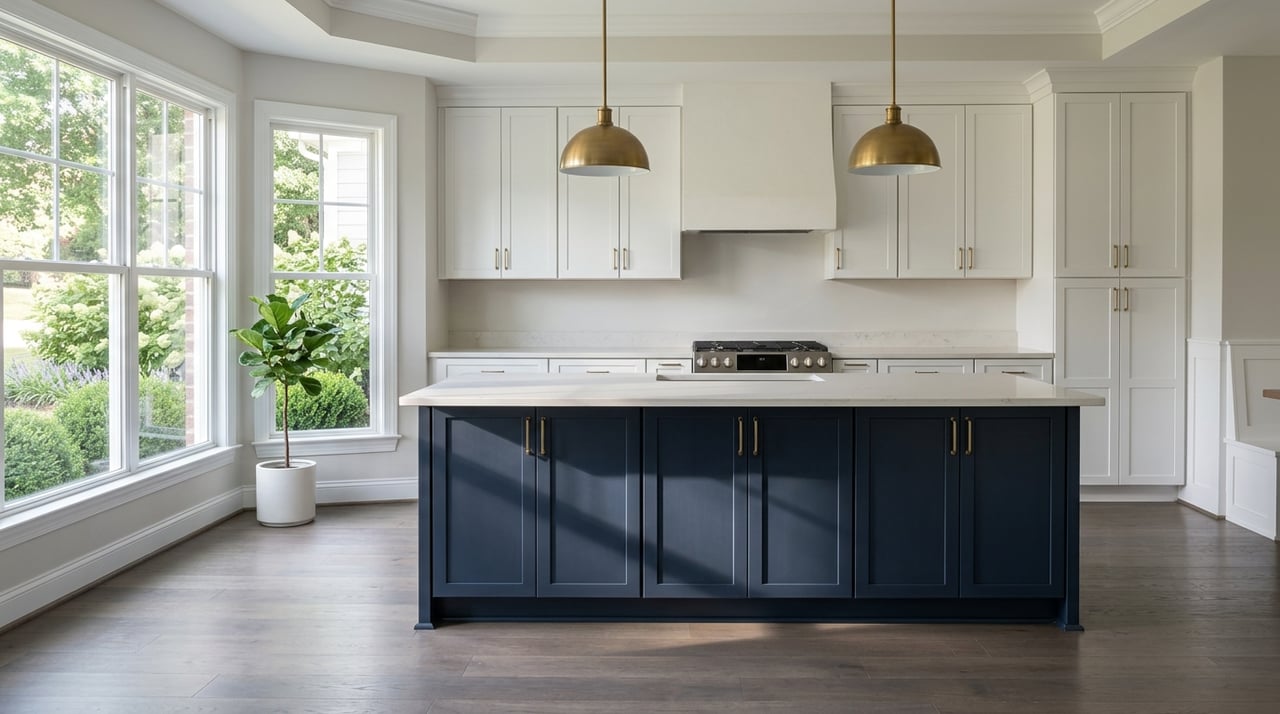
If you want buyers to see your home as move-in ready, presentation matters. Clean spaces, simple repairs, neutral styling, and a well-planned marketing package can help your home stand out from the start.
Why Staging and Media Matter
Staging and marketing visuals are not just finishing touches. In the National Association of Realtors’ 2025 staging report, 83% of buyers’ agents said staging made it easier for buyers to visualize a property as a future home.
The same report found that buyers’ agents rated photos as important 73% of the time, traditional staging 57%, videos 48%, and virtual tours 43%. It also found that 49% of agents reported less time on market when homes were staged, while 29% reported a 1% to 10% increase in the dollar value offered.
The most commonly staged rooms were:
- Living room
- Primary bedroom
- Dining room
- Kitchen
For many sellers, that supports a full-service listing approach that includes professional photography and polished marketing from day one.
Price for the First Week
The first week on market carries a lot of weight. With Wake Forest homes moving in roughly 38 to 42 days depending on the source, your launch needs to be sharp.
Redfin reports that some homes receive multiple offers, hot homes can go pending in around seven days, the average home sells about 1% below list price, and 38.7% of homes had price drops. That combination tells an important story. Buyers are watching closely, but they are not rewarding wishful pricing.
What Smart Pricing Looks Like
A smart list price usually comes from a close review of:
- Recent closed sales in your subdivision or nearby area
- Similar home size and layout
- Lot size and setting
- Age and condition
- Upgrades and repairs
- Competing active listings
If you start too high, you may lose momentum and end up chasing the market. If you price from strong local sold data, you give yourself a better chance to attract serious attention early.
Understand North Carolina Due Diligence
One of the most important parts of selling in Wake Forest is understanding North Carolina’s due diligence structure. Under the standard contract, the buyer can investigate the property during the negotiated due diligence period and may terminate for any reason, or no reason, before that period expires.
The due diligence fee, if there is one, is paid to the seller by the effective date. If the transaction closes, that fee is credited toward the buyer’s costs. If the buyer terminates during the due diligence period, earnest money is generally returned to the buyer, but the due diligence fee is usually retained by the seller unless the seller breached the contract.
Why This Matters for Sellers
This structure shapes how inspections and repair requests play out. Buyers may investigate the home, pest issues, septic systems, survey matters, appraisal, title, or financing during due diligence, but repairs and concessions are negotiable, not automatic.
That is why it helps to decide ahead of time what you are willing to:
- Repair
- Credit
- Negotiate
- Decline
A seller who has a plan usually handles due diligence with more confidence and less stress.
Know Your Likely Costs
Selling a home is not just about the sale price. Your net proceeds also depend on taxes, possible HOA fees, and other closing-related expenses.
North Carolina levies an excise tax of $1.00 per $500 of consideration or value on deeds and similar conveyances. If your home is in an HOA, the disclosure statement may also include regular assessments, special assessments, pending lawsuits, and any transfer fees charged by the association or management company.
Property taxes also affect the affordability picture buyers consider. Wake County’s 2025 to 2026 tax rate is 0.5171 per $100 of assessed value, and the Town of Wake Forest’s fiscal year 2025 to 2026 rate is $0.42 per $100, with an additional downtown municipal service district tax of $0.14 per $100 where applicable. On a $500,000 home, county plus town property tax is roughly $4,686 per year before any downtown district tax.
A Clear Selling Sequence
If you want a smoother sale in Wake Forest, focus on sequence over shortcuts. The strongest results often come from a process like this:
- Review neighborhood-level sold data
- Gather disclosures and property records
- Prepare the home for photos and showings
- Launch with professional marketing
- Respond quickly and clearly during due diligence
- Track costs so you understand your likely net
This market still offers real opportunity for sellers. But it tends to reward accuracy, presentation, and responsive communication more than guesswork.
Selling with confidence does not mean controlling every outcome. It means having a smart plan, understanding the local process, and making informed decisions at each step. If you want a tailored strategy for your Wake Forest home, Matt Bergevin can help you navigate the process with clarity, strong marketing, and local insight.
FAQs
What is the current home selling pace in Wake Forest?
- Recent market data shows homes in Wake Forest selling in about 38 to 42 days on market, depending on the source and whether the data reflects active listings or closed sales.
What disclosures do sellers need in North Carolina?
- North Carolina sellers generally need a residential property disclosure statement, a separate Mineral and Oil and Gas Rights Mandatory Disclosure Statement, and if the property is in an HOA, an owners’ association and mandatory covenants disclosure statement.
What if my Wake Forest home is part of an HOA?
- If your home is in an owners’ association, you will need the HOA disclosure paperwork, and buyers may review information such as regular assessments, special assessments, pending lawsuits, and transfer fees.
How should I price my home in Wake Forest?
- The most reliable pricing approach is to use recent neighborhood-level closed sales and adjust for condition, size, lot, age, and updates rather than relying only on broad averages or current asking prices.
What does due diligence mean for North Carolina home sellers?
- During the due diligence period, the buyer may investigate the property and can usually terminate before the deadline for any reason or no reason, while the seller typically keeps the due diligence fee unless the seller breached the contract.
Does staging really help a home sell in Wake Forest?
- Research cited in this guide shows that staging can help buyers visualize a home more easily, may reduce time on market, and can support stronger offers when paired with professional photography and marketing.