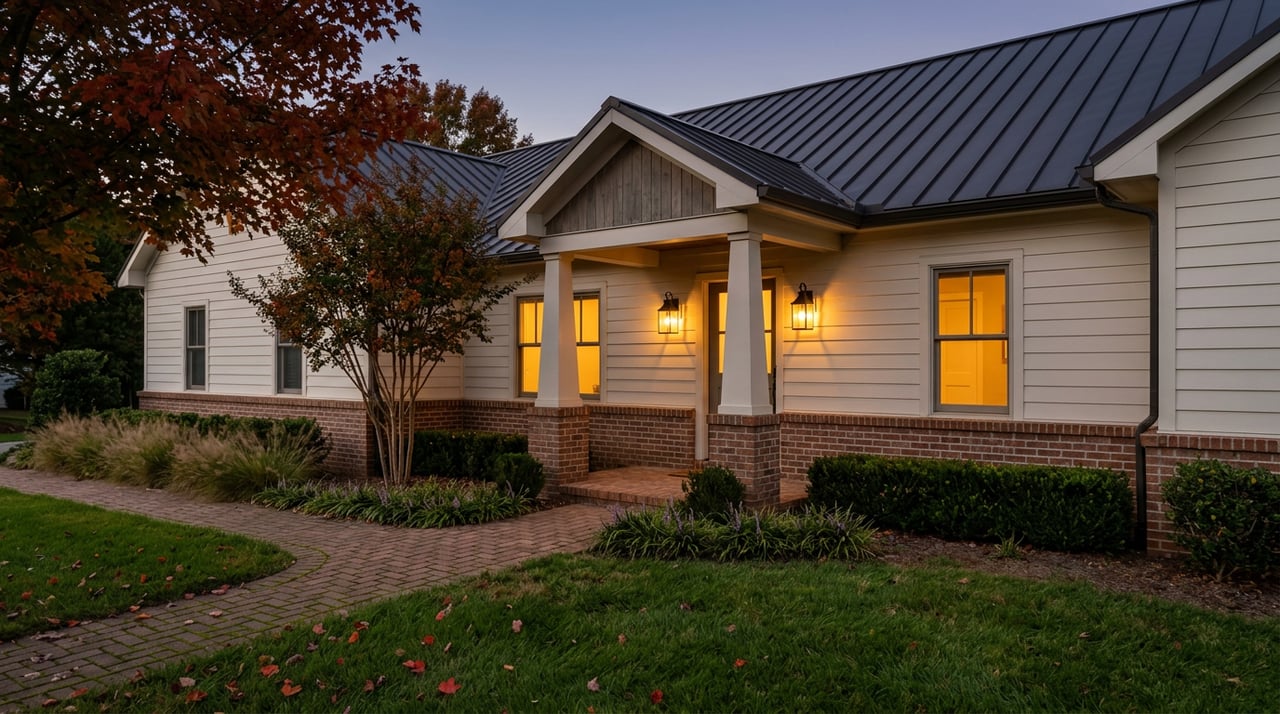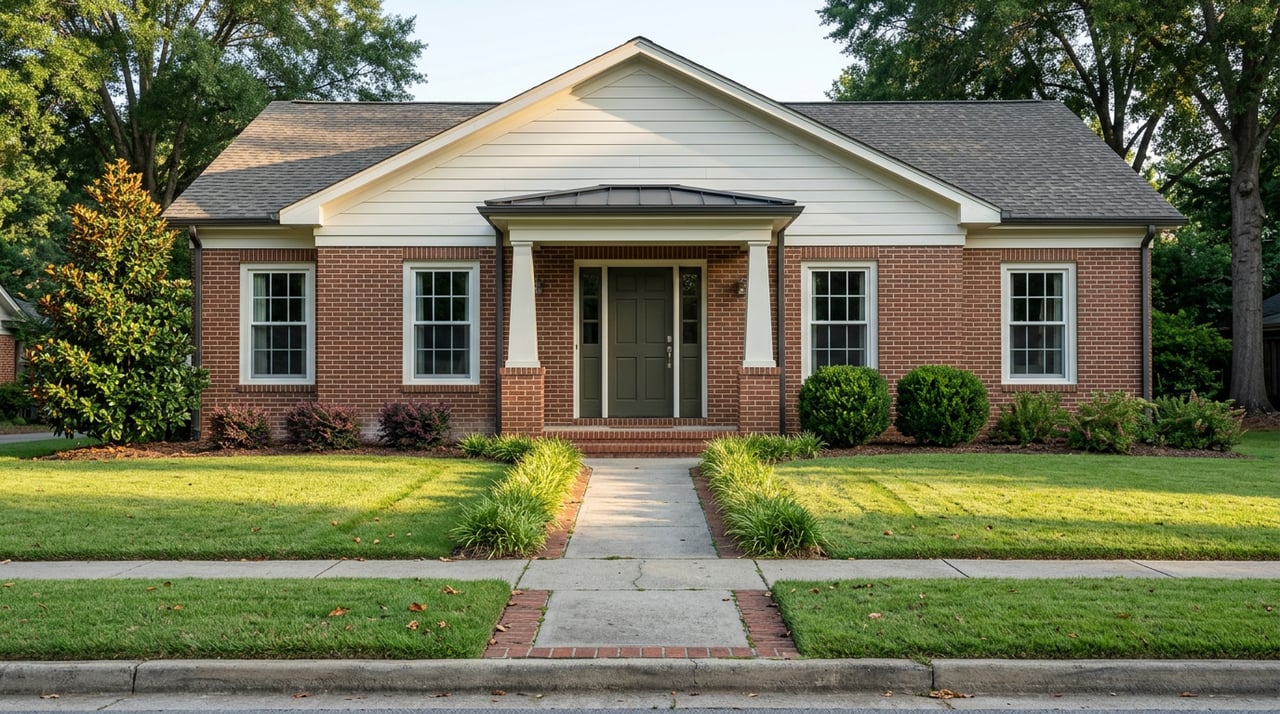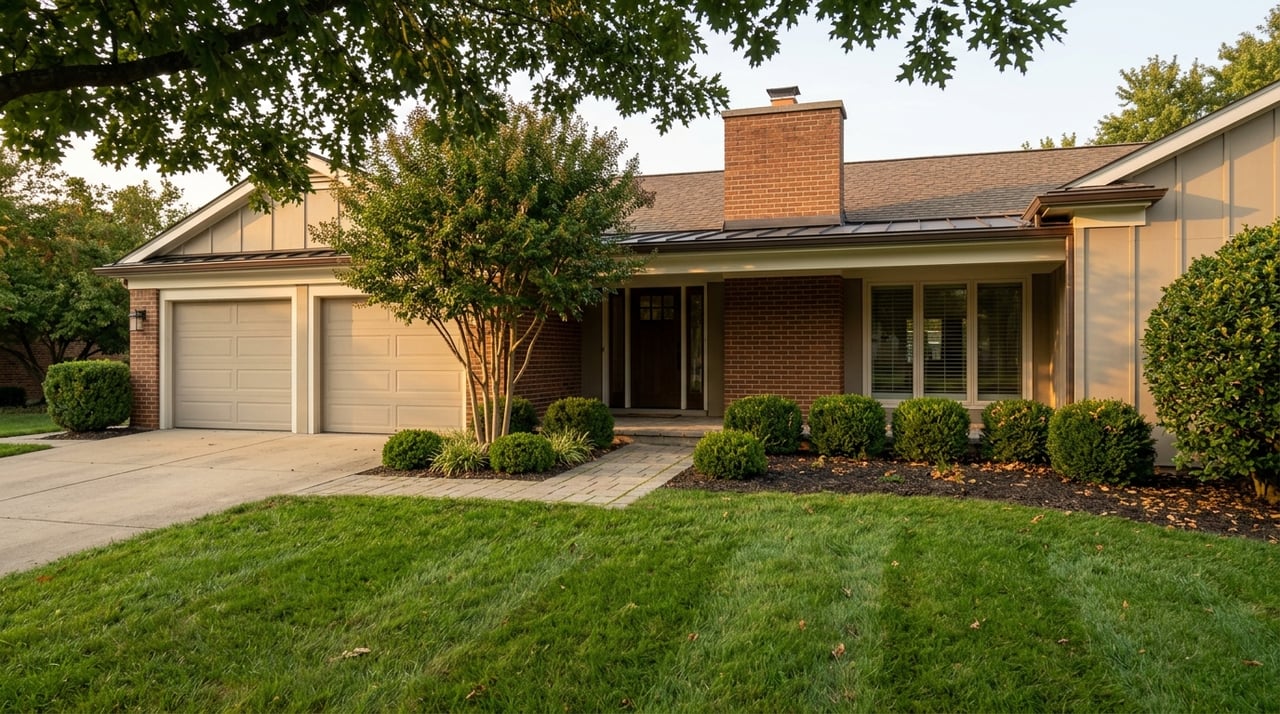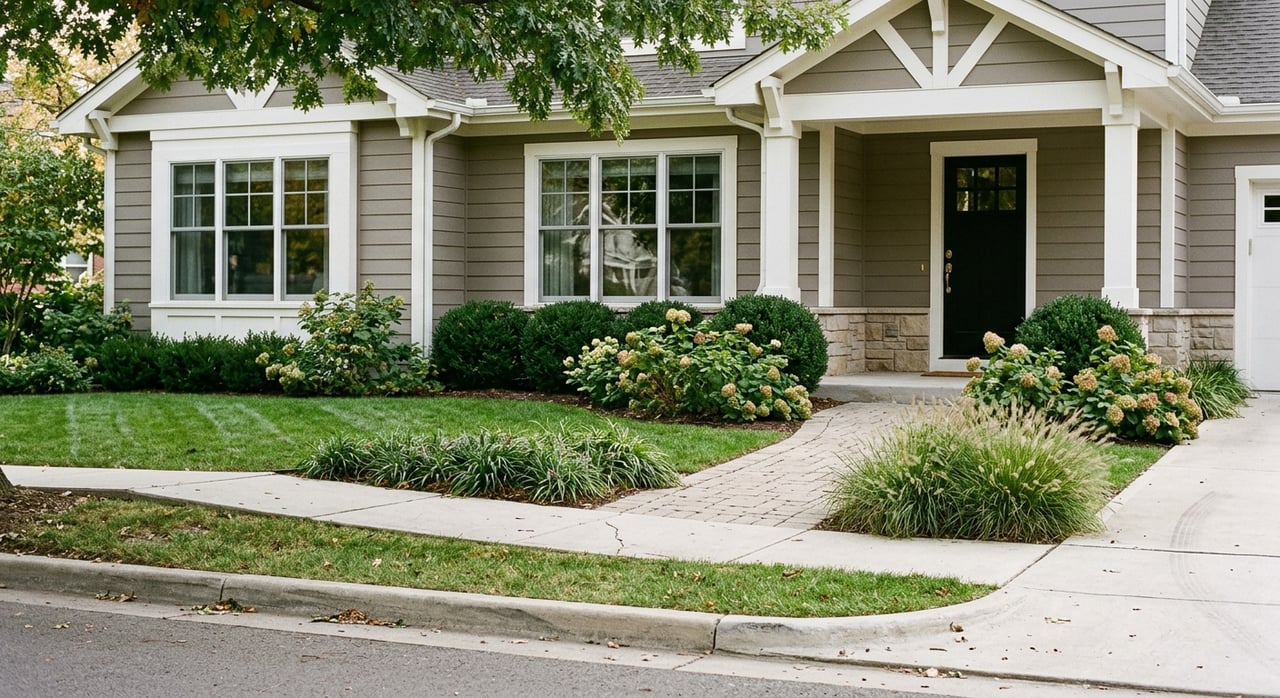
If your ideal neighborhood includes a coffee run, a quick grocery stop, dinner nearby, and a trail or park to wrap up the day, Heritage in Wake Forest deserves a closer look. Many buyers want a lifestyle that feels connected and convenient without giving up the space and rhythm of a suburban community. In Heritage, that balance is one of the biggest draws, and this guide will show you what walkable living here really looks like. Let’s dive in.
What walkable living means in Heritage
Heritage offers neighborhood-scale walkability, not an urban, car-free lifestyle. That distinction matters because it sets the right expectation for how you may use the community day to day. In Heritage, walkability is supported by sidewalks, clustered retail, town-maintained pedestrian infrastructure, and connected trails.
The Town of Wake Forest identifies Heritage as a 2,600-acre planned community, and town materials show an ongoing focus on connected streets, sidewalks, bikeways, walking trails, and greenway trails. The town also completed sidewalk work on Heritage Greens Drive and Heritage Garden Street in 2023. That reinforces the idea that pedestrian access in and around Heritage is an active part of the area’s planning and maintenance.
Everyday errands feel more convenient
One of the strongest parts of Heritage’s lifestyle appeal is how daily routines can stay close to home. The most visible convenience hub is The Shoppes at Heritage Village on Forestville Road. This retail cluster gives you practical stops in one general area, which can make busy weekdays feel a little easier.
At The Shoppes at Heritage Village, Publix and Publix Pharmacy are located at 1030 Forestville Road. Summer Moon Coffee is also in the same center, and Chick-fil-A at Heritage Village is at 1010 Forestville Road. For many residents, that means a morning coffee, grocery pickup, or simple meal option is nearby rather than spread across town.
Additional nearby dining adds to that sense of convenience. Rudino’s Heritage is at 1000 Forestville Road, Charlie’s Kabob Grill is at 929 Heritage Lake Road, and 1250 Heritage is located in the Heritage Golf Clubhouse. Visit Raleigh notes that 1250 Heritage is open to the public and offers a casual, elegant dining setting.
Shops and dining near Heritage
When people talk about walkable living, they often mean more than sidewalks alone. They mean having useful destinations close enough to support your routine. In Heritage, the strongest examples are everyday essentials and casual dining options gathered near the neighborhood.
Here are some of the key spots mentioned in local and business sources:
- Publix
- Publix Pharmacy
- Summer Moon Coffee
- Chick-fil-A at Heritage Village
- Rudino’s Heritage
- Charlie’s Kabob Grill
- 1250 Heritage
This does not mean every stop in Wake Forest is walkable from every home in Heritage. It does mean the neighborhood has a solid cluster of conveniences that helps support a more connected, less car-dependent routine in certain parts of daily life.
Trails and parks shape the lifestyle
If shops and dining cover convenience, trails and parks cover quality of life. Heritage’s outdoor access is one of the clearest reasons buyers are drawn to the area. Whether you like walking, jogging, biking, or spending time outside with family, the local trail and park network adds real day-to-day value.
A major anchor is Smith Creek Soccer Center, a 17-acre town park inside the subdivision at 690 Heritage Lake Road. According to the Town of Wake Forest, the park includes three full-size soccer fields, a playground, a picnic shelter, picnic tables, and charcoal grills. That gives residents a practical outdoor space for both recreation and casual weekend use.
The trail connections from Smith Creek Soccer Center are especially important. The town says Dunn Creek Greenway begins there, and Smith Creek Greenway also starts there. Smith Creek Greenway extends 4.85 miles one way, connects past Heritage schools, and links to Sanford Creek Greenway, Rolesville, and the Neuse River Trail.
Sanford Creek at Heritage South adds another layer to the network. This section includes a 0.85-mile paved and boardwalk trail with connections into Heritage South and to Rolesville’s Mill Bridge Nature Park. For buyers who value movement, outdoor routines, and connected community spaces, that trail access is a meaningful part of the Heritage experience.
A sample Heritage day
Sometimes the best way to understand a neighborhood is to picture how it feels to live there. In Heritage, a typical day might start with coffee at Summer Moon and a stop at Publix for a few groceries. Later, you might meet friends for a casual meal nearby or head out for an evening walk on the greenway.
On the weekend, you could spend time at Smith Creek Soccer Center, enjoy a playground or picnic stop, or head out on one of the connected trails. That rhythm is what makes Heritage appealing to many buyers. It is not about constant activity or an urban pace. It is about having useful places and outdoor options woven into everyday life.
Downtown Wake Forest adds more options
Heritage stands on its own as a neighborhood with convenience and outdoor access, but its location also gives you access to another lifestyle layer nearby. Downtown Wake Forest offers a broader small-town destination for shopping, dining, and community events. That can be a nice complement to Heritage’s neighborhood-focused feel.
The Wake Forest Business & Industry Partnership describes downtown as a vibrant historic district with independent retailers, restaurants, and businesses. It also highlights a weekly farmers market and community events like Friday Night on White. The town’s Bike.Walk.Run brochure describes downtown Wake Forest as a walkable destination with boutiques, shops, galleries, and restaurants.
For buyers considering Heritage, this matters because your lifestyle is not limited to one subdivision. You get neighborhood convenience close to home, plus access to a broader town-center experience nearby. That combination can make Heritage feel practical during the week and connected on the weekend.
Recreation beyond Heritage
If you like having more than one outdoor option, Wake Forest adds depth beyond the immediate Heritage trail network. E. Carroll Joyner Park offers three miles of paved trails, and the Wake Forest Reservoir has a 1.6-mile soft trail on its western side. These spots help expand your recreation choices without taking away from the convenience of Heritage itself.
Wake Forest’s Bike.Walk.Run brochure also notes that residents can reach the Neuse River Trail through the pedestrian bridge that links the town’s greenway system with the Capital Greenway Trail. That connection extends further to the Mountains-to-Sea Trail and the East Coast Greenway. The same brochure states that the town has already built 11 miles of an estimated 50 miles of planned greenway, which shows long-term investment in trail connectivity.
Who Heritage may appeal to most
Heritage can be a strong fit if you want a suburban setting with built-in convenience and outdoor access. Many buyers looking in Wake Forest want room to spread out while still staying close to shops, dining, and recreation. Heritage supports that goal in a very practical way.
You may want to take a closer look at Heritage if you are looking for:
- A neighborhood with sidewalks and connected pedestrian infrastructure
- Close access to groceries, coffee, and casual dining
- Greenways and parks that support walking, biking, or family outings
- A Wake Forest location with access to both neighborhood amenities and downtown
The key is to approach Heritage with the right expectation. It is best understood as a connected suburban community with convenient destinations and strong outdoor access, not as a fully urban environment where every errand happens on foot.
Why buyers keep Heritage on the list
In Wake Forest, Heritage stands out because it brings several lifestyle priorities together in one place. You have clustered daily conveniences, town-supported sidewalks, park access, and greenway connections that support real routines. For many buyers, that creates a more enjoyable and efficient way to live.
If you are comparing neighborhoods in 27587, Heritage is worth viewing through the lens of how you actually spend your time. Think about your mornings, your after-work routine, and what weekends look like for you. When a neighborhood supports those patterns well, it often rises to the top quickly.
If you want help exploring Heritage or comparing it with other Wake Forest neighborhoods, Matt Bergevin can help you narrow your options and find the right fit for your lifestyle.
FAQs
Is Heritage in Wake Forest truly walkable?
- Heritage is best described as neighborhood-scale walkable, with sidewalks, clustered retail, parks, and connected greenways rather than a fully urban, car-free setup.
What shops are near Heritage in Wake Forest?
- The Shoppes at Heritage Village includes Publix, Publix Pharmacy, Summer Moon Coffee, and nearby dining options such as Chick-fil-A at Heritage Village, Rudino’s Heritage, Charlie’s Kabob Grill, and 1250 Heritage.
What trails are in or near Heritage?
- Heritage has access to Dunn Creek Greenway, Smith Creek Greenway, and Sanford Creek at Heritage South, with connections toward Rolesville and the Neuse River Trail.
What park is located inside Heritage?
- Smith Creek Soccer Center is inside the Heritage subdivision and includes soccer fields, a playground, picnic areas, and grills.
How close is downtown Wake Forest to Heritage lifestyle amenities?
- Downtown Wake Forest adds another nearby destination for independent shops, restaurants, a farmers market, and community events, complementing Heritage’s neighborhood convenience.
Is Heritage a good fit for buyers who want outdoor access?
- Heritage may appeal to buyers who value trails, parks, and connected recreation options as part of their daily routine in Wake Forest.