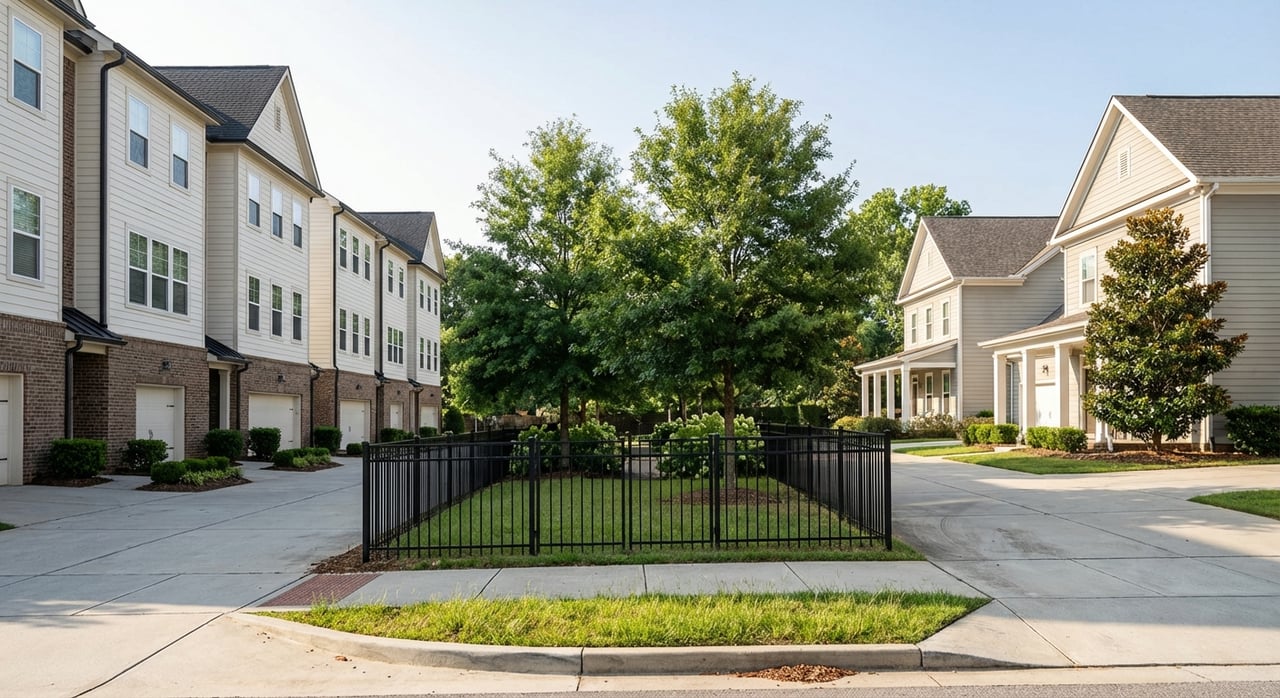
Trying to decide between a townhome or a single-family home in Heritage, Wake Forest? You are not alone. Both options are popular within 27587, and each offers a clear set of tradeoffs on price, space, maintenance, and lifestyle. In this guide, you will see how they compare so you can choose the right fit with confidence. Let’s dive in.
Heritage at a glance
Heritage is a master-planned community with a wide mix of homes across price points and styles. Recent neighborhood pages show an overall median list price around the mid 600s, roughly 645k to 650k. Within that, there is a clear two-tier market. Townhomes tend to price lower, with recent medians near 390k, while detached single-family homes typically command a higher premium.
Real-world examples help. You might find a larger Heritage townhome listed near 495k with about 2,691 square feet, 3 beds, 3.5 baths, a 2-car garage, and a small fenced yard. A detached single-family could list near 775k with close to 2,988 square feet on a lot around 0.29 acre. These snapshots change with active inventory, but they show the recurring pattern: attached homes can overlap in size with detached homes, yet detached homes usually price higher due to the private lot and building type.
What you get: space and layout
Townhomes
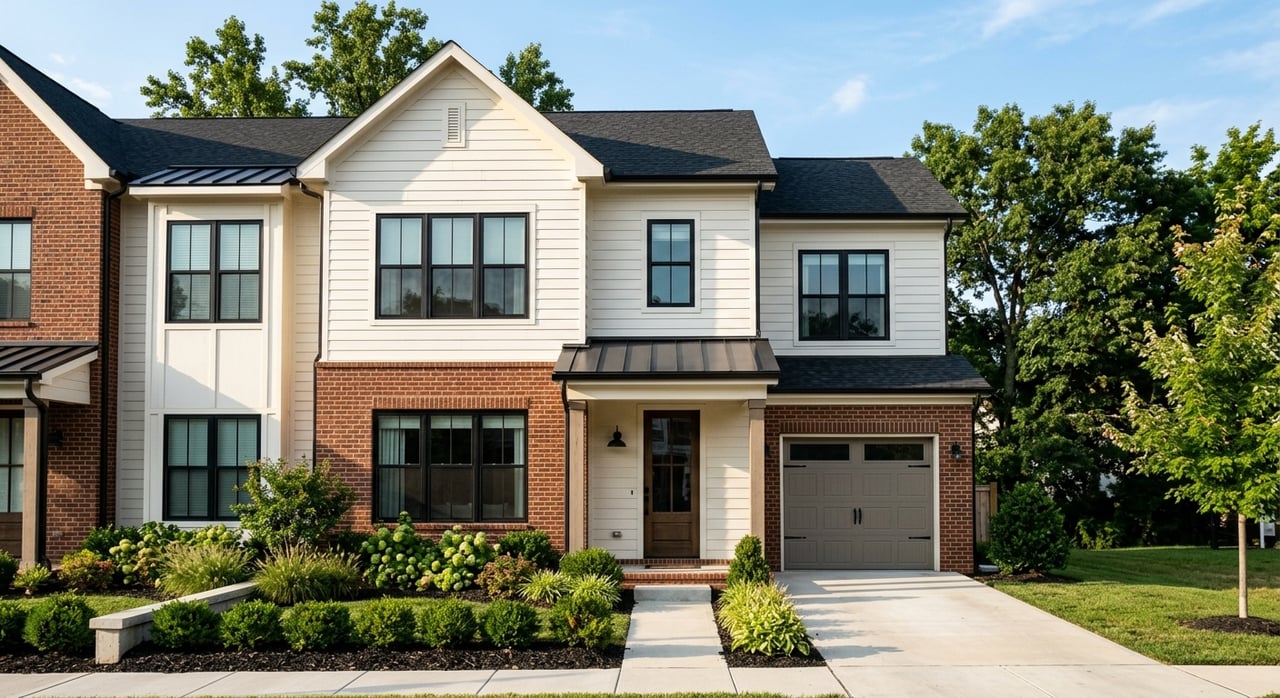
- Commonly 2 to 3 stories with the main living level on the first or second floor.
- Many in Heritage range about 2,000 to 3,200 square feet with 2 or more full baths and attached 1 to 2-car garages.
- End-units often include a small fenced yard, deck, or patio. Some have a finished lower-level bonus.
- Many attached buildings in Heritage were built in the mid-2000s. Finishes and floor plans vary by builder and remodels.
Single-family homes
- Often range from roughly 1,800 to more than 4,000 square feet with 3 to 5 bedrooms.
- Typical lots run about 0.10 to 0.30 acre or more, depending on the pocket of Heritage.
- Many homes back to ponds or the golf course. Product mix spans early 2000s builds to newer infill.
Bottom line: you get more private land and long-term flexibility with a detached home. You get low-maintenance living and a predictable footprint with a townhome.
Outdoor living and privacy
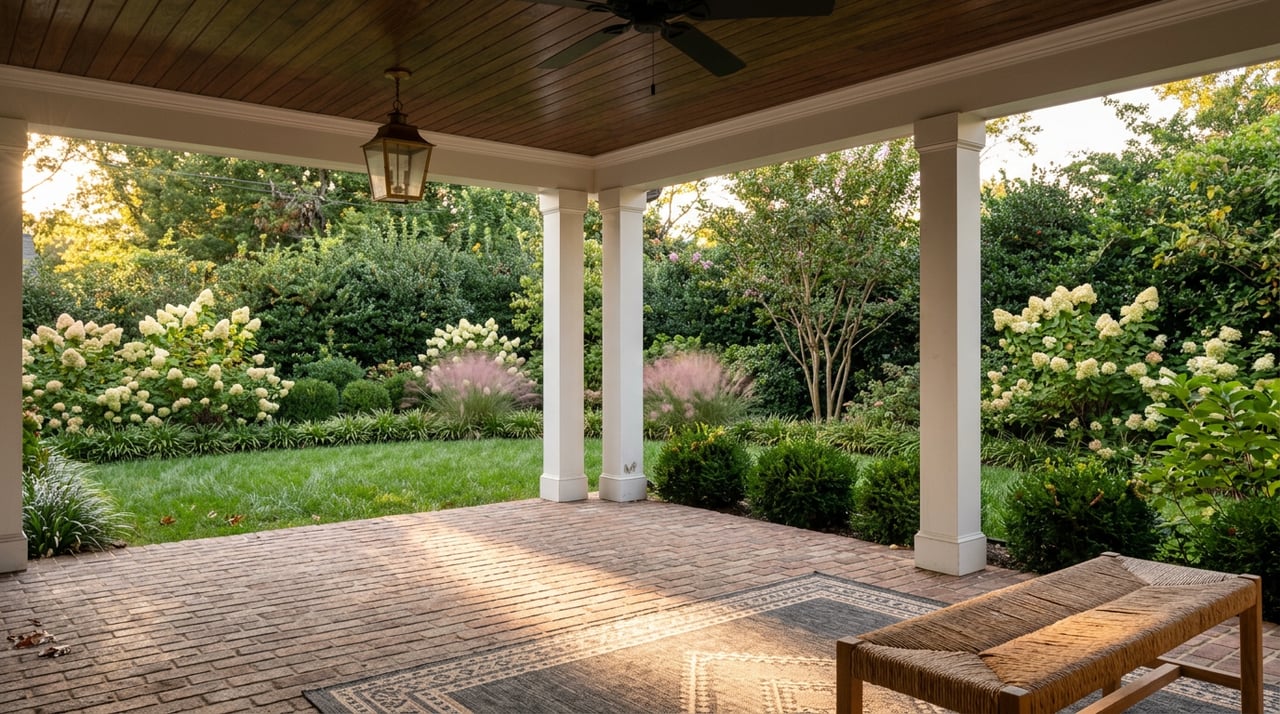
- Townhomes typically offer a smaller, low-upkeep outdoor space. Think courtyard, deck, or compact fenced yard for grilling and pets.
- Single-family homes provide larger backyards that can support play space, gardens, or future projects. Some homes enjoy water or golf views, which can be a premium.
If you want maximum yard and the option to add features later, a detached home is the stronger fit. If you prefer to trade yard size for convenience, a townhome is the simpler choice.
Parking and daily convenience
- Most Heritage townhomes include a 1 to 2-car garage and a short driveway. Guest parking can be limited and is governed by your sub-HOA.
- Detached homes usually include a 2-car garage and a longer private driveway, which gives you more on-lot parking.
If you have multiple drivers or frequent visitors, review the guest and on-street parking rules before you make an offer.
HOA dues and what they cover
Dues vary across Heritage and depend on the sub-neighborhood, building type, and services provided.
- Some detached homes show very low annual HOA dues, such as about 285 dollars per year.
- Other detached pockets show monthly fees near 169 dollars where grounds maintenance is included.
- Townhome sections with shared building maintenance and amenities often show higher monthly dues, commonly about 225 to 292 dollars per month.
What do dues usually include? Landscaping and common area upkeep, exterior building maintenance and roofing for attached units, private street lighting, pools or club facilities when applicable, insurance for common elements, and utilities for common spaces. Exact coverage is governed by the association documents.
North Carolina’s Planned Community Act outlines an association’s responsibilities, records, and assessment authority. If you want to understand the legal framework for owners’ associations in North Carolina, review the North Carolina Planned Community Act, Chapter 47F.
Financing, insurance, and resale
Financing basics
How your lender treats a townhome depends on its legal form. A fee-simple townhome is often financed like a detached home. If the structure is legally a condominium, your loan may involve condo project review steps. If you plan to use VA or FHA financing, confirm project approval status with your lender early.
Insurance differences
Detached single-family homes generally use an HO-3 policy that covers the dwelling and the property. Townhome or condo-style ownership often pairs an HOA master policy with an individual HO-6 policy for the interior and personal property. Work with your agent and insurance broker to map where the master policy stops and your policy begins. For a quick primer on policy types, see this overview of HO-3 vs HO-6 coverage.
Resale factors to watch
Rules that restrict rentals, require strict architectural approvals, or set higher dues without strong reserves can reduce the future buyer pool. Ask about historical special assessments, the percent of dues paid on time, and whether there are upcoming projects. You want healthy reserves, clear rules, and stable fee history. A strong HOA record supports liquidity when you decide to sell.
Lifestyle fit: match your priorities
Choose a townhome if you want
- Lower yard maintenance and a lock-and-leave feel.
- Predictable monthly costs that bundle services you use.
- Multi-level living with modern layouts in a walkable community setting.
Choose a single-family if you want
- A larger private yard for play, pets, or gardening.
- More control over the exterior and long-term flexibility.
- The widest range of floor plans, including larger homes that back to green space or the golf course.
Amenity-minded buyers
Many Heritage homes are near the Heritage Club and community greenways. Club membership is usually separate from HOA dues. Learn about golf, swim, and tennis options on the Heritage Golf website, and verify whether your sub-HOA includes any access or discounts.
Real-world price and size context
- A larger Heritage townhome can approach 2,700 to 3,200 square feet and still price well below a similarly sized detached home. Think near the 400s to upper 400s in some cases.
- Detached homes in Heritage commonly list higher due to the lot, privacy, and potential for views. Examples near 3,000 square feet can list in the 700s depending on location and finish.
These ranges shift with inventory and condition. The key takeaway is consistent: attached options often deliver strong space-for-dollar with less outdoor upkeep, while detached homes deliver land, privacy, and flexibility at a higher price point.
What to verify before you buy
Use this quick checklist during your due diligence window. Ask your agent to request the full HOA packet and supporting documents early.
- Request the HOA resale or estoppel certificate to confirm current dues, coverage, and any special assessments. See a helpful HOA due diligence checklist.
- Review the current budget, year-end financials, and the most recent reserve study to gauge long-term planning and cash balances. The same checklist outlines what to look for.
- Confirm legal form: fee-simple townhome or condominium. This affects financing steps.
- Verify master insurance coverage and what you must insure separately. If you are comparing policy types, start with this guide to HO-3 and HO-6 policies.
- Read parking, pet, and rental rules, and ask for recent board meeting minutes to spot upcoming projects or disputes. The same due diligence guide explains why minutes matter.
- If schools and commute times are important, verify current school assignments and routes. You can look up school details using the NCES public school database.
- For legal context on association authority and owner rights, review the North Carolina Planned Community Act.
How we help you choose
You deserve a clear, pressure-free comparison tailored to your needs. We walk you through current Heritage listings, break down HOA coverage line by line, and model your monthly costs with taxes, insurance, and dues. If you are relocating, we host live video tours and coordinate inspections so you can buy confidently from a distance.
When you want a yard, more privacy, and the broadest floor plan choices, a single-family home makes sense. When you want low maintenance, value, and a turnkey lifestyle, a townhome can be the right move. Either way, our job is to surface the tradeoffs and help you land the best fit at the right price.
Ready to compare live options or schedule a tour? Connect with Matt Bergevin for a local, data-informed plan that fits your budget and timeline.
FAQs
What is the typical price gap between townhomes and single-family homes in Heritage?
- Recent figures show a two-tier market: townhomes often center near the high 300s to low 400s, while detached homes commonly list well above that, with the overall neighborhood median in the mid 600s.
How much are HOA dues for Heritage townhomes and houses?
- Townhome dues often run about 225 to 292 dollars per month when exterior maintenance is included. Detached homes can range from about 285 dollars per year in some pockets to around 169 dollars per month where grounds care is bundled.
What do HOA dues usually cover in Heritage?
- Common items include landscaping, exterior upkeep for attached buildings, street lighting in private sections, pool or club access when provided, and insurance for shared elements. Always confirm coverage in the HOA documents.
Are Heritage townhomes financed like condos or like houses?
- It depends on legal form. Fee-simple townhomes are often financed like detached houses. If a building is legally a condominium, lenders may require condo project review steps, especially for VA or FHA loans.
What insurance do I need for a Heritage townhome versus a detached home?
- Detached homes usually carry an HO-3 policy covering the structure and property. Townhome or condo-style ownership often pairs an HOA master policy with an HO-6 for interior finishes and personal property. Verify policy boundaries with your agent and insurer.
Is Heritage Golf club access included with HOA dues?
- Typically no. Membership is separate from HOA dues. Explore options and costs on the Heritage Golf site, and verify any sub-HOA arrangements.
Do Heritage HOAs have rental restrictions?
- Many associations set rental caps or rules that affect leasing. Review the CC&Rs and request the resale certificate to confirm current rules and any pending changes before you buy.