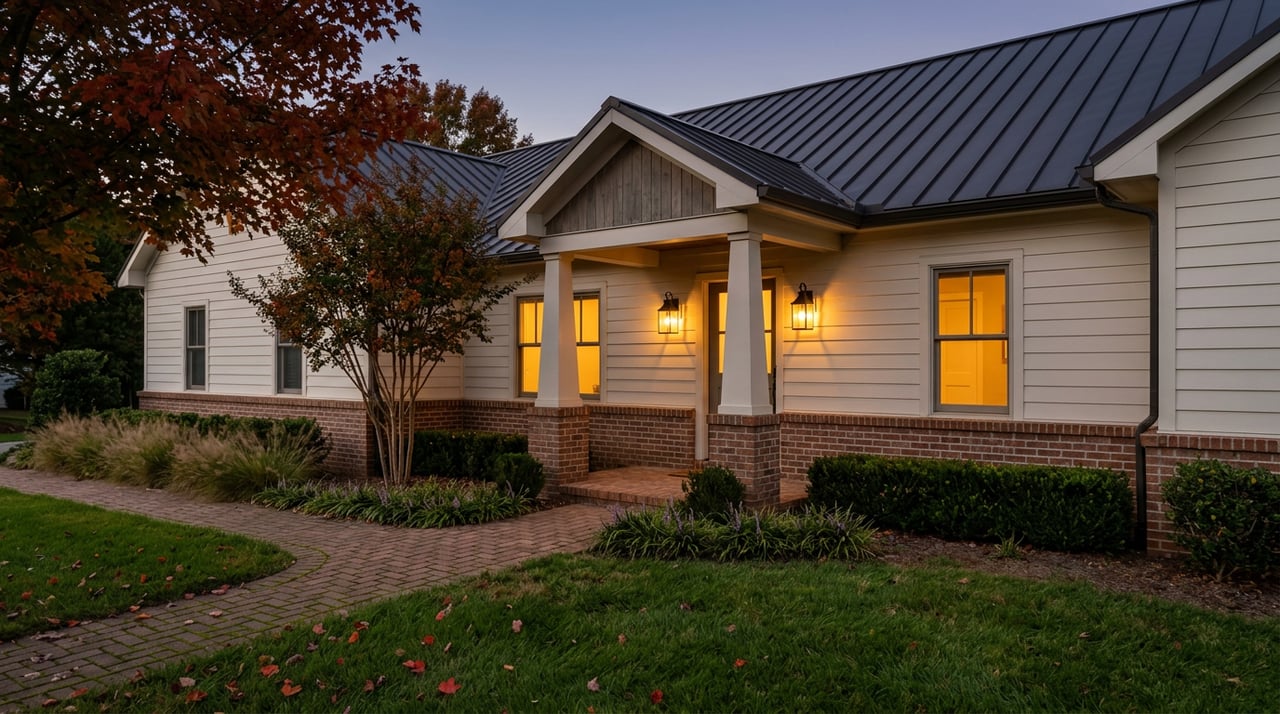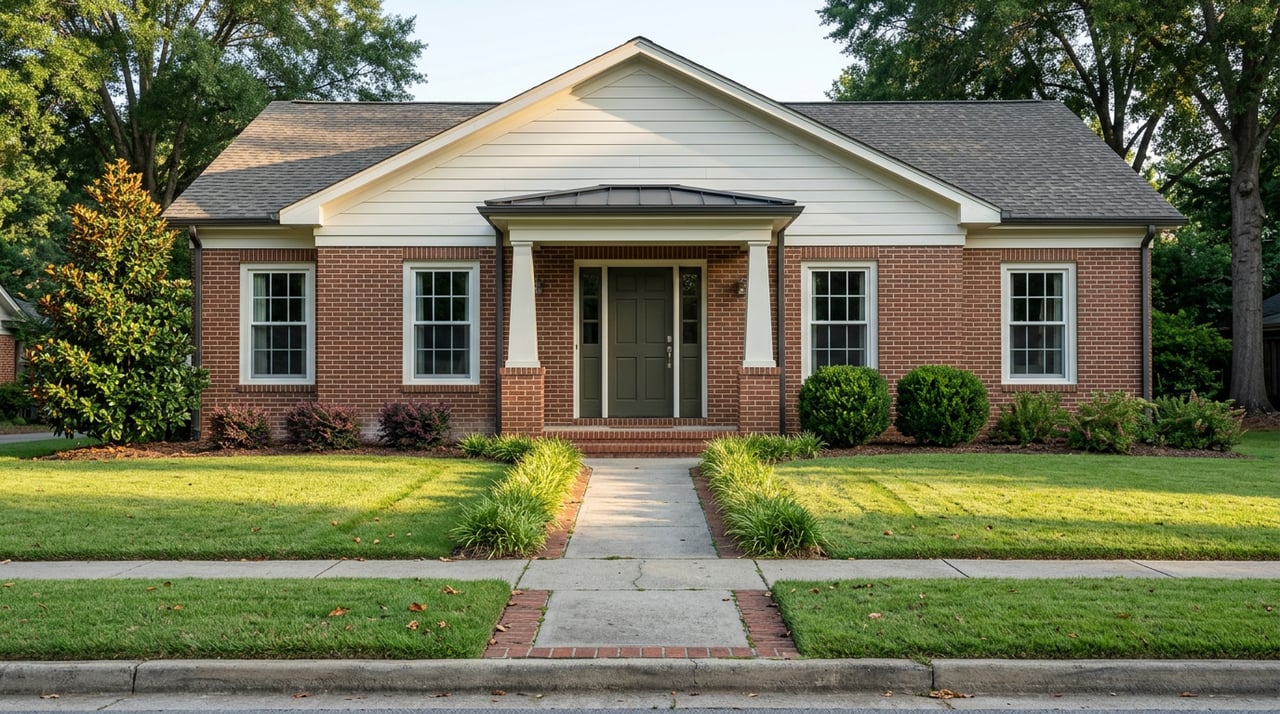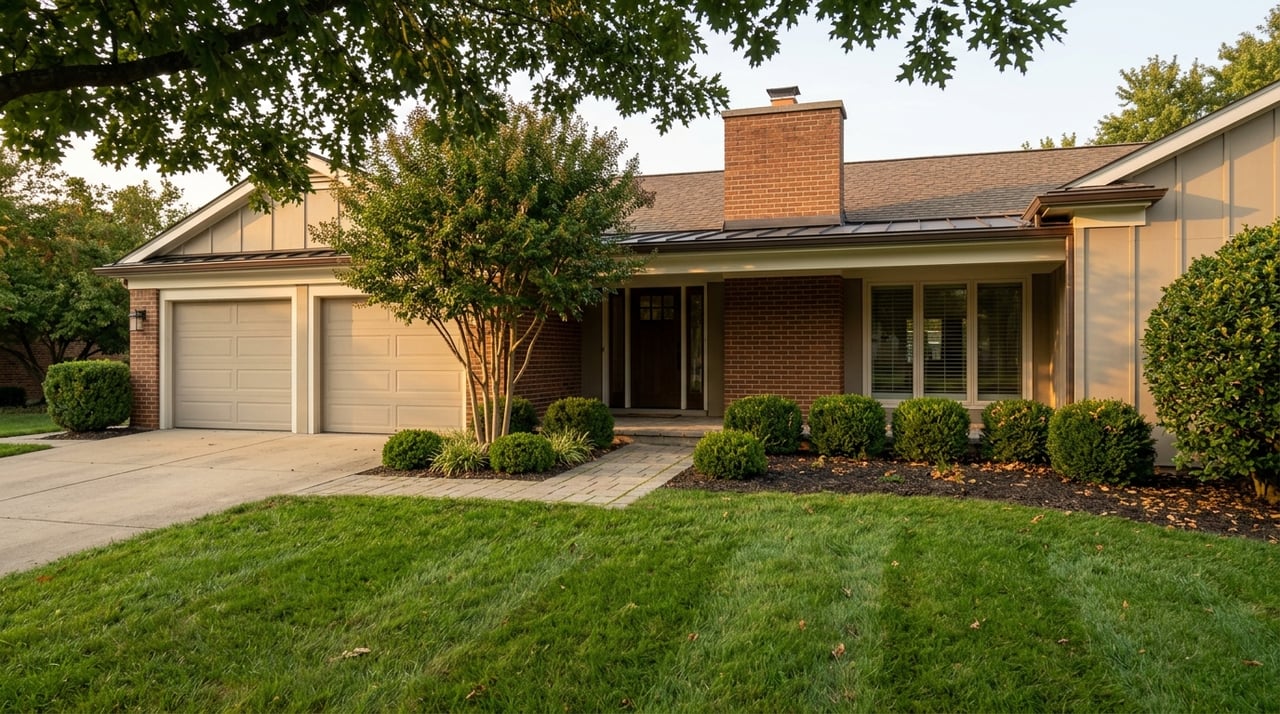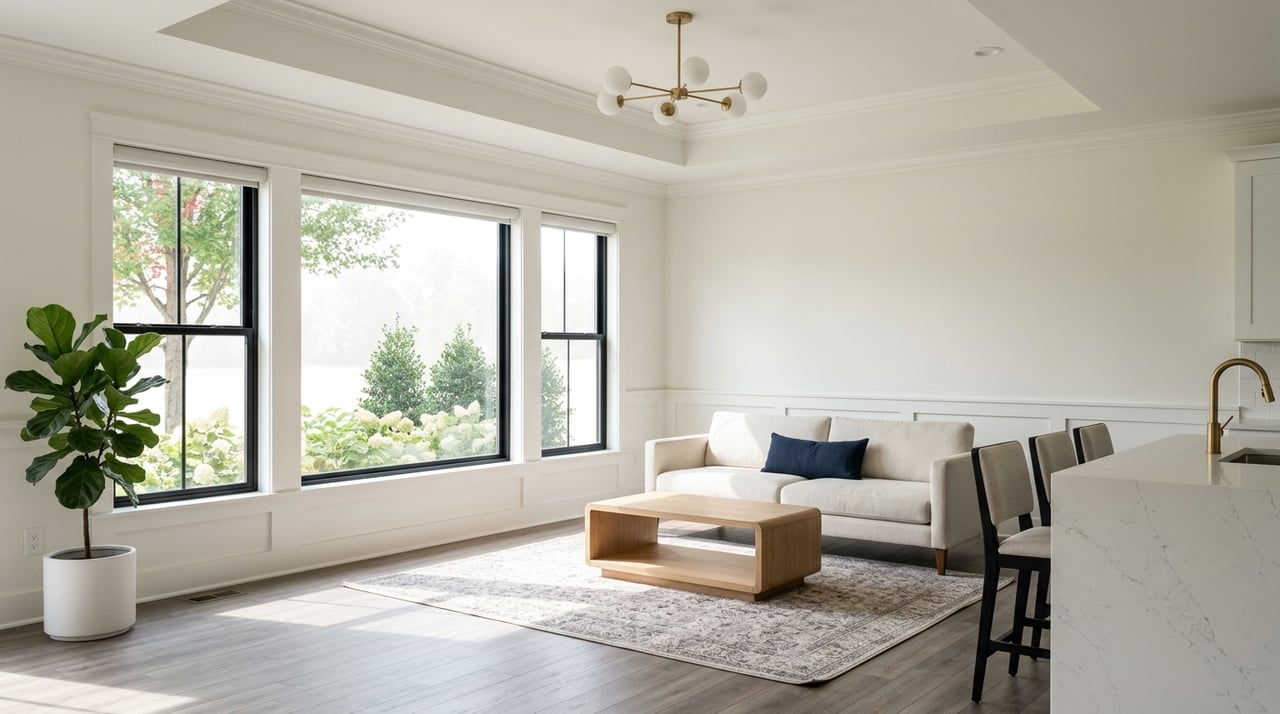
If you are thinking about buying a brand-new home in Wake Forest, you are not alone. This growing Wake County town continues to attract buyers who want modern layouts, newer systems, and a range of options from townhomes to single-family homes. The good news is that new construction in Wake Forest can offer both convenience and flexibility, but the process comes with its own timeline, costs, and decisions. This guide will help you understand what to expect so you can move forward with more confidence. Let’s dive in.
Why Wake Forest draws new-home buyers
Wake Forest has continued to grow, which helps explain why new construction remains such a visible part of the local housing market. The U.S. Census Bureau estimates the town’s 2024 population at 56,764, up 18.2% from 2020. The same source reports that 74.0% of housing units are owner-occupied, with a median owner-occupied home value of $474,500.
For you as a buyer, that growth means builders are still adding inventory in different formats. In Wake Forest, you can often find move-in-ready homes, homes already under construction, ready-to-build plans, and future phases that have not opened yet. That variety can create more paths to ownership depending on your timing, budget, and preference for customization.
What new construction looks like now
Current builder activity shows a broad range of choices across Wake Forest. At Mews at Holding Village by Tri Pointe Homes, townhomes are now selling with 3 to 4 bedrooms, from 1,720 to 2,317 square feet, with pricing from the mid-$300s and a mix of move-in-ready homes and ready-to-build plans.
Lennar’s Rosedale community is also actively selling, with pricing from the low $400s and both single-family homes and townhomes in the current snapshot. At D.R. Horton’s Prestleigh, current listings include a 3-bedroom townhome at $324,990 and a 5-bedroom single-family home at $457,990.
Looking further out, Tri Pointe’s Everstead is planned for 2027 and is expected to include ranch-style single-family homes with 2 to 4 bedrooms and 1,456 to 2,708 square feet. Taken together, these community snapshots show that Wake Forest buyers may be able to choose between a faster move and a longer planning window with more design input.
Choose the right build stage
One of the biggest decisions you will make is when to enter the construction process. Not every new-construction home offers the same level of speed or personalization.
Move-in-ready homes
A move-in-ready home is usually the fastest path. The home is complete or close to complete, which can help if you need to relocate on a tighter timeline or want to avoid months of uncertainty.
The tradeoff is that your design choices may be limited. Finishes, floor plan selections, and lot placement are often already set.
Under-construction homes
An under-construction home can offer a middle ground. You may still have time to select some finishes or upgrades, but the overall structure and timeline are already underway.
This option can work well if you want some customization without waiting through the entire build cycle. Your exact choices will depend on how far along the home is.
To-be-built or future-phase homes
A ready-to-build plan or future-phase release may give you the most input on features and finishes. This can be appealing if you have a clear vision for layout, materials, or structural options.
The tradeoff is time. The National Association of Home Builders reports that the average time to complete a single-family home in 2023 was 10.1 months, while homes built for sale averaged 8.9 months. In Wake Forest, your wait may range from immediate occupancy to a much longer horizon depending on the home’s stage.
Understand the local build process
Inside town limits, the Town of Wake Forest oversees permits and inspections. According to the town’s permit requirements, construction requires site-specific plans, a site plan, and two complete sets of plans that meet the current North Carolina Residential Code.
The town also notes that if a buyer or builder is unfamiliar with code requirements, a licensed general contractor or design professional may be needed. That matters because new construction is not just about picking finishes. It is a formal process with local approvals and required inspections.
The town’s inspection process is part of how certificates of occupancy are issued. Inspection requests can be made online or by phone and must be submitted by 3 p.m. for next-business-day service.
Why independent inspections still matter
A new home may be brand new, but that does not mean you should skip due diligence. The Consumer Financial Protection Bureau recommends scheduling an independent inspection as soon as possible so there is time to address issues.
Many buyers of new construction also use phase inspections. The same CFPB guidance notes that, depending on your contract, you may be able to negotiate repairs or even cancel based on inspection findings if your agreement includes a satisfactory inspection contingency.
A practical inspection schedule often includes:
- Foundation stage inspection
- Pre-drywall inspection
- Final inspection before closing
- 10- to 11-month warranty inspection
These checkpoints can help you catch issues before walls are closed up and before your initial warranty periods expire.
Budget beyond the base price
One of the easiest mistakes in new construction is focusing only on the advertised starting price. In Wake Forest, current examples range from the mid-$300s for some townhomes to the low $400s and beyond for single-family homes, based on current community snapshots.
Your actual cost may vary based on:
- Floor plan size
- Lot premium
- Structural options
- Design-center selections
- HOA costs
- Builder deposit requirements
Some builder homes come with a solid list of included features. For example, Tri Pointe’s Mews at Holding Village features and FAQ materials list James Hardie fiber-cement siding, granite countertops, GE stainless-steel appliances, a HomeSmart package, and a Wi-Fi-enabled garage door opener. D.R. Horton’s Prestleigh listing highlights quartz countertops, a tile backsplash, stainless steel appliances, and RevWood luxury vinyl plank on the first floor.
That is encouraging, but upgrades can still add up quickly. A home that looks well-equipped on paper may still have optional costs for premium finishes, structural changes, or selected lot locations.
Watch for deposits and HOA costs
Builder contracts often include costs that differ from resale transactions. At Mews at Holding Village, Tri Pointe’s published FAQ lists approximately $210 per month in HOA dues, a $475 capital contribution, a 3% earnest-money deposit, and a separate options deposit equal to 25% of selected design-studio options.
Not every community uses the same structure, but this is a helpful example of why you should review the full cost picture early. A home’s monthly payment and cash-to-close needs can shift once you add HOA dues, design deposits, and community fees.
Know what the warranty covers
Warranties are one of the most talked-about benefits of buying new construction, but you should read the details carefully. The Federal Trade Commission explains that a common structure is:
- 1 year for workmanship and materials
- 2 years for systems like HVAC, plumbing, and electrical
- Up to 10 years for major structural defects
Tri Pointe’s Wake Forest materials describe that same general framework, with 1-year fit-and-finish coverage, 2-year mechanical coverage, and a 10-year structural warranty. Still, coverage can vary by builder and warranty provider.
The North Carolina Department of Justice warns buyers to read warranty contracts carefully, confirm what is and is not covered, understand contractor and arbitration requirements, and avoid treating a warranty as a replacement for a licensed inspection. In short, a warranty is a backstop, not your only protection.
Questions to ask before you sign
Before you move forward on a new-construction home in Wake Forest, it helps to ask direct questions and get the answers in writing when possible.
Start with this checklist:
- What features are standard, and what counts as an upgrade?
- What is included in the base price?
- Are appliances, landscaping, blinds, or fencing included?
- How much earnest money is required?
- Are design options subject to a separate deposit?
- Is the home move-in ready, under construction, or part of a future phase?
- Are pre-drywall, final, and 11-month inspections allowed?
- What HOA dues or capital contributions apply?
- What does the warranty cover, and how are claims submitted?
These questions can help you compare communities more clearly and avoid surprises after contract signing.
A smart way to buy in Wake Forest
New construction in Wake Forest can be a great fit if you want modern floor plans, newer materials, and a home that may need fewer immediate repairs than an older property. The market currently includes options for buyers who need a quicker move and for buyers who want more time and more input.
The key is knowing how to evaluate the full picture. Price is only one part of the decision. Timeline, included features, inspections, warranties, deposits, and community fees all deserve a close look.
If you want guidance comparing new-home communities, reviewing builder terms, or deciding whether new construction or resale is the better fit for your goals, connect with Matt Bergevin. You will get local insight, clear communication, and a consultative approach designed to help you make a confident move in Wake Forest.
FAQs
What types of new construction homes are available in Wake Forest?
- Wake Forest currently offers a mix of townhomes, single-family homes, move-in-ready inventory, homes under construction, ready-to-build plans, and future-phase communities.
How long does a new construction home take in Wake Forest?
- Your timeline depends on whether the home is completed, already underway, or not yet started, but NAHB reports average single-family build times of 8.9 to 10.1 months depending on the type of build.
Do you still need an inspection for a brand-new Wake Forest home?
- Yes. Independent inspections are still important, and many buyers use foundation, pre-drywall, final, and 10- to 11-month warranty inspections.
What extra costs should buyers expect with Wake Forest new construction?
- Beyond the base price, you may need to budget for lot premiums, upgrades, HOA dues, capital contributions, earnest money, and design-option deposits.
Are warranties included with new construction homes in Wake Forest?
- Many new homes include warranty coverage, often with 1 year for workmanship, 2 years for mechanical systems, and up to 10 years for major structural defects, but you should review each contract carefully.
Is buying new construction in Wake Forest better than buying resale?
- It depends on your goals. New construction may offer newer finishes and builder warranties, while resale may offer a different price point, lot, or location option depending on current inventory.