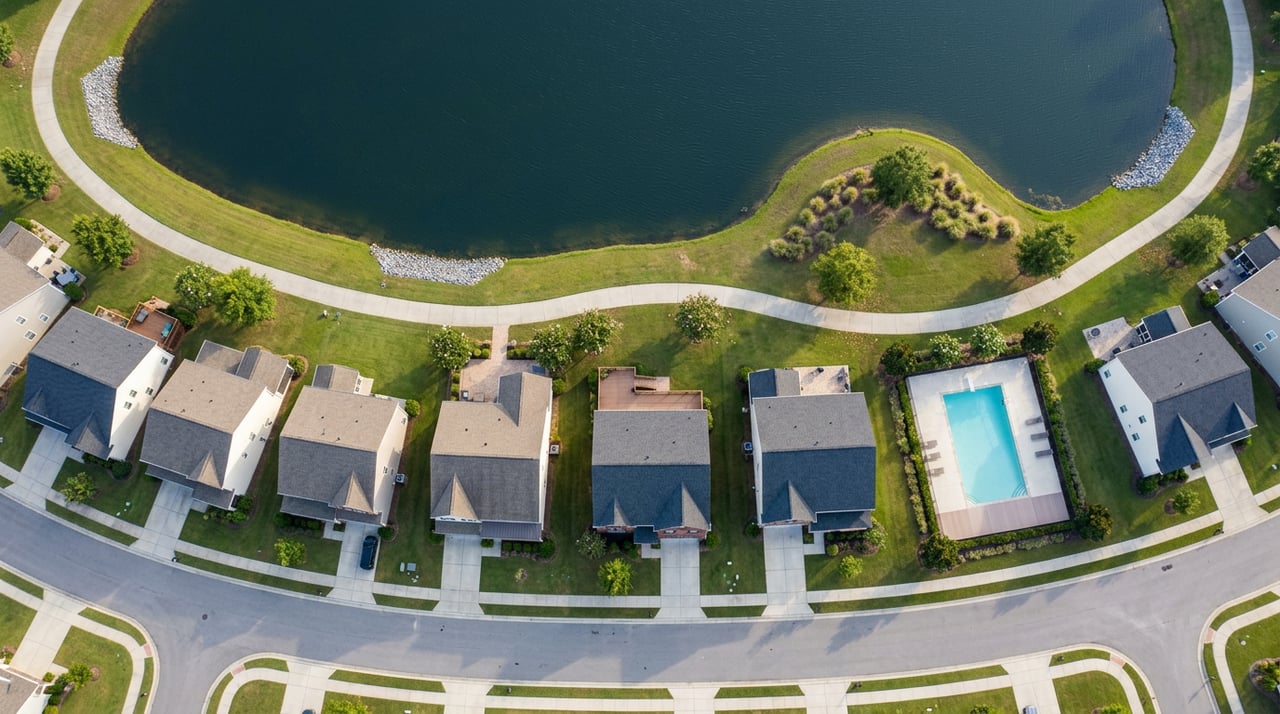
Looking at homes in Wake Forest and wondering how Heritage compares to other popular neighborhoods nearby? You are not alone. With golf, pools, greenways, and a wide range of home styles, Heritage often lands on the shortlist for buyers who want community amenities and convenient access to Raleigh. In this guide, you will see how Heritage stacks up against Traditions, Hasentree, Holding Village, Bishop’s Grant, and downtown Wake Forest so you can choose the best fit for your lifestyle and budget. Let’s dive in.
Heritage at a glance
Heritage is a large, master-planned community just north of downtown Wake Forest with quick access to NC-98 and US-1 for drives into Raleigh. Sub-neighborhoods offer townhomes, golf villas, single-family homes, and higher-end custom properties, so you can choose the size and style that fits your needs. The community centers around the semi-private Heritage Golf Club with on-site dining at the 1250 Heritage restaurant, plus swim and tennis complexes, multiple pools, playgrounds, greenways, and a fishing pond. You can learn more about the club’s amenities from the Wake Forest Chamber listing for the Heritage Golf Club.
Families often look at Heritage because of its proximity to Heritage Elementary, Heritage Middle, and Heritage High. Publicly available profiles for these schools show strong test proficiency and large enrollments, and families should always verify exact school assignments for a specific address through the district’s official tools. For a quick snapshot, see the public profile for Heritage Elementary.
On pricing, recent reports for ZIP 27587 place the median sale price in the high 400s, which is a helpful baseline when comparing Heritage to other Wake Forest options. Within Heritage, townhomes can offer a more attainable entry point, while golf-view and custom homes trend higher. Because prices and inventory shift month to month, plan to compare active listings and recent comps in your exact sub-neighborhood before you write an offer.
Heritage vs. other Wake Forest communities
Below is a practical, side-by-side look at how Heritage compares on homes, amenities, daily convenience, and lifestyle.
Downtown and Historic Wake Forest
If you want walkability to Main Street and White Street, downtown Wake Forest offers a different vibe than Heritage. You will find older cottages, renovated historic homes, and newer infill townhomes on smaller lots, plus easy access to shops, restaurants, and community events. Commutes still use US-1 and NC-98, but the trade-off is stronger walk-to dining and arts. For parks, you are close to greenways and E. Carroll Joyner Park, which is a favorite for weekend outings.
Traditions at Wake Forest
Traditions is a modern, master-planned alternative with a broad mix of townhomes and detached homes and a clubhouse-style amenity center focused on pools, trails, and pocket parks. It appeals to buyers who want new or newer construction and community features without the cost structure that can come with golf club communities. Location and commute patterns are similar to Heritage, with quick access to US-1 and nearby retail centers. A developer release highlights the community’s amenity-forward approach to family living at Traditions at Wake Forest.
Hasentree
Hasentree is a private-club environment with luxury estates, custom homes, and golf villas built around a Tom Fazio course. Homes here typically price above the mainstream Heritage inventory, often reaching the high six figures and beyond depending on lot size and finishes. If your top priority is a private country club lifestyle and luxury product, Hasentree fits the bill. If you want an entry-level townhome or a wider range of everyday retail nearby, Heritage may be a better match.
Holding Village
Holding Village features newer builder neighborhoods and townhome collections, community pool, lake access, dog park, and trails. Home designs target move-up and first-time buyers who prefer contemporary plans and lower maintenance. Entry points can be more affordable than high-end golf communities while still delivering community amenities. Explore current neighborhood details for the Mews at Holding Village through Tri Pointe’s community page.
Bishop’s Grant
Bishop’s Grant is known for established streetscapes, single-family homes on moderate to large lots, and a community pool and playground. Some homes back to natural areas near the Wake Forest Reservoir, which appeals to buyers who want more privacy and outdoor access. Price points often fall in the upper-mid range for the area. If you want a traditional neighborhood feel with a little more elbow room, this is a strong option to compare with Heritage’s more varied, master-planned mix.
Lifestyle and daily convenience
Heritage’s internal network of greenways, parks, and pools creates a very active, community-centered lifestyle. Many daily errands are short drives to nearby retail centers. Inside the community, the semi-private Heritage Golf Club provides golf access along with dining at 1250 Heritage that is open to the public. For a quick overview of club amenities, see the Heritage Golf Club profile.
By contrast, downtown Wake Forest prioritizes walkable dining, coffee, and events. Traditions and Holding Village offer neighborhood pools and trails without a golf component. Hasentree emphasizes a private club culture and luxury amenities. Bishop’s Grant provides pool access and a relaxed, established neighborhood setting with outdoor recreation nearby.
Commute patterns and access
From Heritage, you can reach US-1 and NC-98 in minutes, which makes commuting into North Raleigh, RTP, or RDU straightforward by car. Typical drive times vary by destination and time of day, often landing in the 20 to 40 minute range to major employment centers. Traditions and Holding Village offer similar commute patterns, while downtown Wake Forest buyers trade some commute convenience for walk-to amenities. If commute time is critical, plan a timed test drive during your usual rush hour before deciding.
Home styles and pricing bands
One of Heritage’s strengths is product diversity. You can consider townhomes, smaller single-family homes, and golf-view custom estates within the same master plan. That variety broadens the potential buyer pool when you resell, and it gives you flexibility if your needs change. In other neighborhoods, the product mix is more defined. Downtown offers older homes and infill, Traditions and Holding Village focus on newer builder product, Hasentree skews luxury, and Bishop’s Grant centers on established single-family homes.
ZIP-level market data for 27587 places the median sale price in the high 400s in recent reports. Within that context, Heritage spans a wide range based on size, age, lot orientation, and proximity to amenities. Always compare active listings and recent comps in the exact sub-neighborhood you are targeting to set expectations.
Memberships, HOA dues, and what to verify
At Heritage, the golf club operates on a semi-private membership model, and the swim and tennis complexes may require memberships that are separate from HOA dues. HOA fees do not automatically include golf, and some homes have different membership access or requirements. The best approach is to confirm, in writing, what your specific HOA covers and what optional memberships cost before you submit an offer. You can reference the Chamber listing for a quick overview of club amenities and membership details, then contact the club directly for current pricing.
Development scale and community feel
Heritage has grown over many years as a coordinated master plan with multiple phases and sub-neighborhoods. That scale shows up in its greenway network, variety of homes, and consistent community programming. The master plan has earned recognition in past local awards, as noted in this roundup of Best of the Best honors. If you prefer a smaller, single-phase neighborhood, compare Bishop’s Grant or Holding Village. If you want a larger-scale environment with golf and pools, Heritage or Hasentree will feel familiar, each with a different price tier and club approach.
Quick checklist to choose your fit
- Confirm HOA coverage vs. optional memberships. Ask for initiation fees, monthly dues, and guest policies for golf, swim, and tennis.
- Verify school assignment for your exact address using the official district tools. Review publicly available profiles, such as the Heritage Elementary overview.
- Time your commute during rush hour to RTP, RDU, and downtown Raleigh. Use your preferred route and a normal weekday to test.
- Compare apples to apples. Pull recent comps in the specific sub-neighborhood or builder section you are targeting.
- Walk the greenways and visit amenities in person. Take a weekday and a weekend visit to experience traffic, parking, and activity levels.
The bottom line
Choose Heritage if you want a master-planned lifestyle with golf access, pools, greenways, and a broad mix of homes near US-1 and NC-98. Put Traditions or Holding Village on your list if you want newer builder product and neighborhood amenities without golf. Consider downtown Wake Forest for walkable dining and small-town charm, Bishop’s Grant for established streets and a relaxed pool community, and Hasentree for luxury homes in a private club setting. With a clear plan, a timed commute test, and verified membership details, you can feel confident about where you land in Wake Forest.
Ready to compare neighborhoods and tour homes that match your wish list? We offer local guidance, data-backed pricing, and on-the-ground support for relocation and remote buyers. Schedule Your Consultation with Matt Bergevin to get started.
FAQs
What makes Heritage different from Traditions at Wake Forest?
- Heritage includes a semi-private golf club plus multiple pools and tennis, while Traditions focuses on pools, trails, and pocket parks without a golf component. Both offer a mix of townhomes and single-family homes with similar access to US-1 and nearby retail.
How does downtown Wake Forest compare if I want walkability?
- Downtown and the historic districts offer older cottages, renovated homes, and infill townhomes close to restaurants, events, and parks, which suits buyers who value walk-to amenities over a master-planned setting with a golf club.
Are school assignments guaranteed for Heritage addresses?
- School proximity is a draw, but boundaries can change, so you should verify assignments for your exact address using the district’s official tools and review publicly available profiles like the Heritage Elementary overview for added context.
What should I budget for Heritage memberships and HOA dues?
- HOA dues vary by sub-neighborhood and generally do not include golf; the Heritage Golf Club runs on a semi-private membership model and swim and tennis may require separate memberships, so confirm current fees and inclusions directly with the HOA and club.
How long is the commute from Heritage to RTP or downtown Raleigh?
- Most commutes use US-1 with I-540 and I-40 connections, and typical drive times can range from about 20 to 40 minutes depending on traffic and destination, so plan a test drive during your expected rush hour.