Trying to choose between Wake Forest and Raleigh? It is a common Triangle question, and the answer is not as simple as “suburb versus city.” If you are buying a home, relocating to the area, or planning your next move, you need a clear picture of how these two places compare in price, pace, housing options, and daily convenience. This guide breaks down the facts so you can decide which home base fits your lifestyle best. Let’s dive in.
Wake Forest vs. Raleigh at a Glance
Wake Forest and Raleigh offer different day-to-day experiences, even though they are closely connected. According to the Town of Wake Forest, the community is shaped by a walkable downtown, local trails, and a suburban setting with historic roots. By contrast, the City of Raleigh describes Downtown Raleigh as the capital city’s business, government, and cultural center.
In simple terms, Wake Forest tends to feel more suburban with a strong local-town identity. Raleigh offers a broader urban mix, with denser activity, more transit options, and a larger downtown footprint. Neither is automatically better. The right choice depends on how you want your everyday life to look.
Home Prices May Surprise You
Many buyers assume Wake Forest will be the cheaper option because it is outside the urban core. Current market data does not support that assumption. As of February 2026, Redfin reports a median sale price of $470,000 in Wake Forest and $425,500 in Raleigh.
Zillow points in the same direction, with a higher home value index in Wake Forest than Raleigh as of February 28, 2026. The exact numbers vary by platform because they measure different things, but the takeaway is consistent: Wake Forest is not automatically more affordable than Raleigh.
That matters if you are building a budget around city labels instead of actual neighborhoods and housing types. A better approach is to compare specific areas, home styles, and commute priorities rather than assuming one market always costs less.
Market Pace and Competition
If you are wondering whether one market feels much easier than the other, the gap is not dramatic. Redfin shows both Wake Forest and Raleigh as somewhat competitive, with homes in each place receiving about two offers on average.
There is some difference in timing. Wake Forest homes sold in about 82 days, while Raleigh homes sold in about 69 days. That suggests Raleigh may move a bit faster overall, but both markets still require preparation, realistic pricing, and a clear strategy when you buy or sell.
Housing Style and Neighborhood Character
Wake Forest Housing Feel
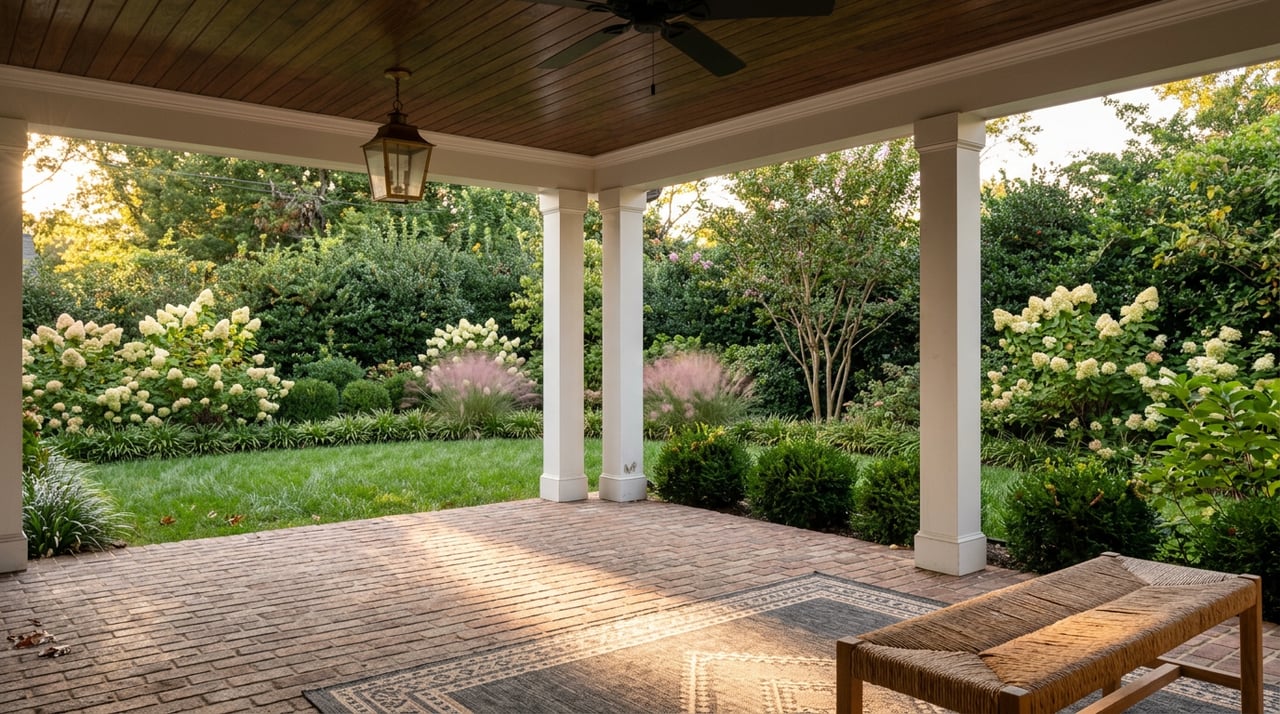
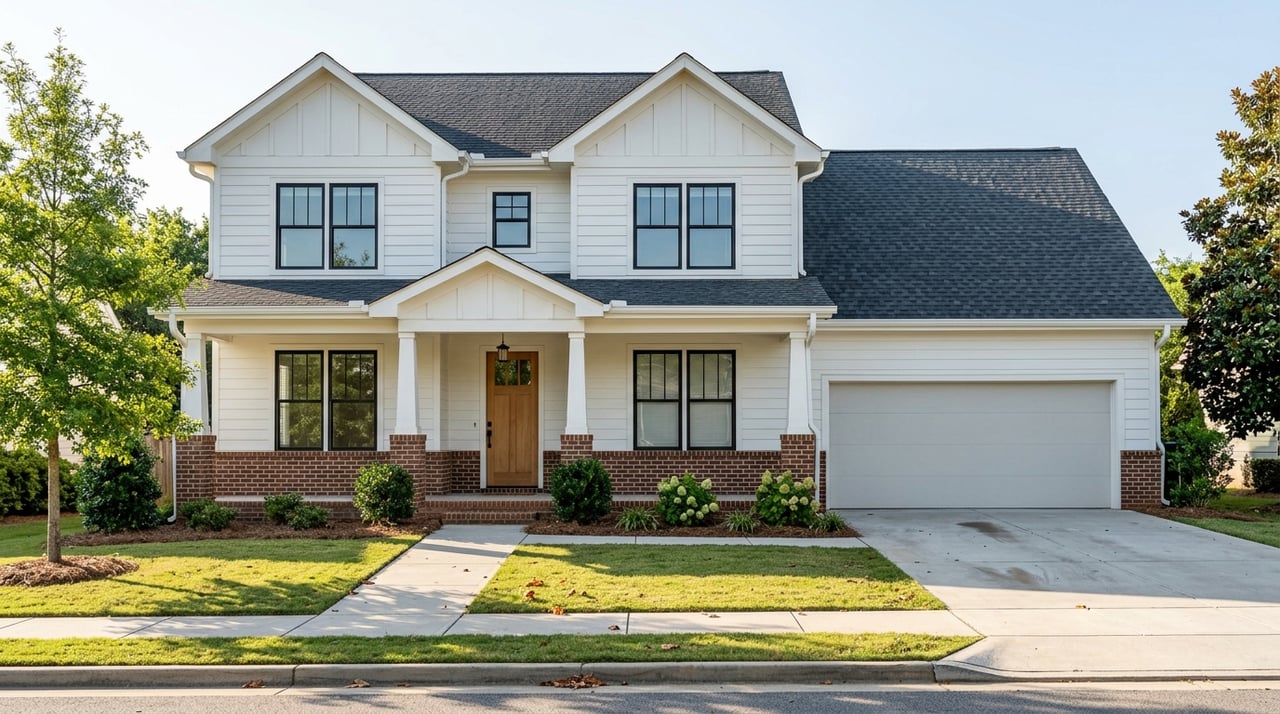
Wake Forest is best understood as a suburban market with a historic core rather than a dense urban one. The town’s historic district information highlights residential streets near North Main Street, the former college campus, an intact mill village, and a brick downtown commercial district.
The town also notes that the local historic district includes examples of American architectural styles from 1820 to 1956. That gives Wake Forest a layer of character many buyers appreciate, especially near downtown. Still, most of the broader market reflects suburban growth patterns rather than city-style density.
Raleigh Housing Variety
Raleigh offers a wider mix of urban housing types and older neighborhoods near the city core. The city recognizes several National Register historic districts, including areas known for Craftsman bungalows and other historic home styles.
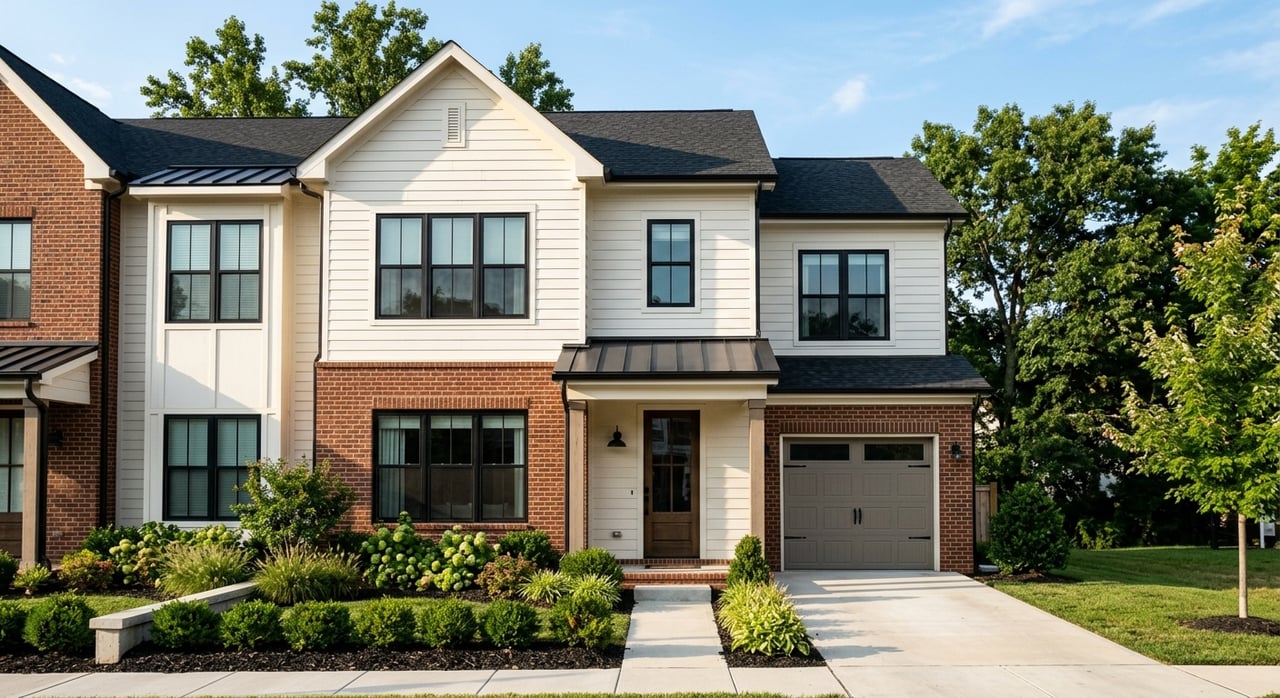
The city also uses residential infill standards to support compatibility with existing neighborhoods as new homes are added. For buyers, that means Raleigh often provides more variety if you want older housing stock, different architectural styles, or a more urban setting close to downtown.
Commute and Transit Options
Getting to Raleigh From Wake Forest
Wake Forest is closely linked to Raleigh through Capital Boulevard and public transit. The town says the WRX express bus provides hourly all-day service with stops in Downtown Wake Forest, Triangle Town Center, and Downtown Raleigh. Wake Forest also offers local on-demand microtransit through Go Wake Forest.
That can be helpful if you want a suburban base but still need a direct connection into the city. At the same time, road travel remains a major part of the commute picture. The Capital Boulevard North Upgrade is underway to improve congestion and travel times between Raleigh and Wake Forest, which is worth watching if your routine depends on that corridor.
Living in Raleigh for Access
Raleigh has the more extensive transit network today. The city provides GoRaleigh bus service, the R-Line downtown circulator, and access to Raleigh Union Station, which includes Amtrak service.
If your goal is to be closer to the region’s densest transit options and downtown activity, Raleigh has the edge. It also gives you easier day-to-day access to the city’s business, government, and cultural center without relying as much on a commuter corridor.
A Future Rail Note
There is also a longer-term transit project to keep on your radar. NCDOT says the Raleigh-to-Wake Forest S-Line passenger rail segment is under development, with service to Wake Forest planned for 2030. For now, though, that should be viewed as future upside, not current commute relief.
Lifestyle and Daily Rhythm
Why Buyers Choose Wake Forest
Wake Forest tends to appeal to buyers who want a quieter suburban base with an active local downtown and easy access to outdoor recreation. The town describes Downtown Wake Forest as walkable and full of small-town appeal, with shops, coffee, arts, and a farmers market.
The outdoor side is a major draw too. Wake Forest manages 561 acres of parks, open space, natural land, and trails, and the town’s greenway system totals 15.5 miles. Falls Lake State Recreation Area adds another major nearby option for time outside.
Why Buyers Choose Raleigh
Raleigh offers a larger-city version of that lifestyle. The city says downtown includes a strong food scene, live entertainment, events, and major gathering places like City Plaza and Moore Square. Raleigh Parks also notes that the city has more than 200 parks, along with a broad greenway system that connects destinations across the city.
If you want more restaurant density, public events, and a wider mix of urban amenities, Raleigh may feel like the better fit. If you want a more locally scaled pace with outdoor access and a strong downtown district, Wake Forest may feel more comfortable.
Which One Fits Your Priorities?
The best choice often comes down to what matters most in your routine. Here is a simple way to think about it:
Choose Wake Forest if you want:
- A suburban setting with a walkable downtown
- Strong access to trails, parks, and Falls Lake
- A local-town feel with historic pockets
- A home search centered on suburban housing patterns
Choose Raleigh if you want:
- A more urban environment
- Broader housing variety near the city core
- More transit options and downtown access
- Greater density of events, dining, and public spaces
You may also find that your answer changes based on budget, work location, and the kind of home you want. That is why citywide averages only tell part of the story.
How to Make the Right Move
If you are deciding between Wake Forest and Raleigh, start with your non-negotiables. Think about commute patterns, preferred home style, pace of life, and how much you want to rely on car travel versus transit.
Then compare actual neighborhoods and listings, not just headlines about each city. The price gap may not be what you expect, and the daily experience can feel very different even within the same metro area.
A local guide can help you narrow the search faster, especially if you are relocating or trying to balance budget with lifestyle. If you want help comparing Wake Forest and Raleigh in a way that fits your goals, connect with Matt Bergevin for a personalized conversation about your next move.
FAQs
Is Wake Forest or Raleigh cheaper for homebuyers right now?
- Based on February 2026 citywide data from Redfin, Raleigh has a lower median sale price than Wake Forest, so Wake Forest is not automatically the cheaper option.
Is Wake Forest or Raleigh better for commuting to Downtown Raleigh?
- Wake Forest offers the WRX express bus and local microtransit, but Raleigh has the denser transit network and direct access to Downtown Raleigh.
Does Wake Forest or Raleigh feel more urban for daily living?
- Raleigh feels more urban because of its downtown role, broader housing mix, and stronger transit and event density.
Is Wake Forest or Raleigh better for outdoor recreation?
- Both offer strong outdoor options, but Wake Forest stands out for its trail system, parks, and access to Falls Lake, while Raleigh offers a much larger citywide park and greenway network.
Should buyers compare Wake Forest and Raleigh by city averages alone?
- No. Citywide averages are useful, but your best comparison should focus on specific neighborhoods, housing types, and commute needs.