Buyers writing offers in Heritage this summer keep asking us the same question after due diligence starts: why is the townhome that looked cheaper on the listing sheet now the more expensive home to own? The answer is almost always the same. The MLS price ranks Heritage homes by one number. Ownership ranks them by three.
Heritage is a master-planned community, and that phrase does a lot of quiet work in a purchase agreement. Underneath the community name sits a stack of governing entities and elective memberships that determine what actually leaves your account each month. Two homes carrying the same list price can be several hundred dollars apart in true monthly cost, and which layer of the stack applies to your address is largely a function of which sub-neighborhood you buy into.
The three layers the listing sheet leaves off
When a Heritage home is priced, the listing sheet almost always shows one HOA fee. That single line hides what is really a three-layer arrangement:
- Master HOA. Every address in Heritage belongs to either Heritage Wake Forest Homeowners' Association or Heritage Wake Forest Two Homeowners' Association, depending on which phase the home sits in. This layer covers community-wide items, architectural review, and general common areas.
- Sub-association. Townhome and villa enclaves within Heritage carry a second association on top of the master. Heritage Trace townhomes, for example, are governed by their own HOA with Heritage Wake Forest Two as the master above it, and the sub-association handles items a single-family homeowner would pay for out of pocket.
- Elective club memberships. The Heritage Club operates on a semi-private model and offers Full Golf, Sports, Social, and Family tiers. None of them are bundled into HOA dues. Swim and tennis access at Heritage Swim & Tennis is a separate membership decision, per the Wake Forest Chamber's listing for the club.
That last point is where most out-of-town buyers get surprised. They tour the pool, drive past the golf course, eat lunch at 1250 Heritage, and assume some slice of that is folded into the fees on the MLS. It is not.
Where the sub-association layer bites hardest
If you are comparing a Heritage townhome against a Heritage single-family home at a similar price, the sub-association is where the cost math flips.
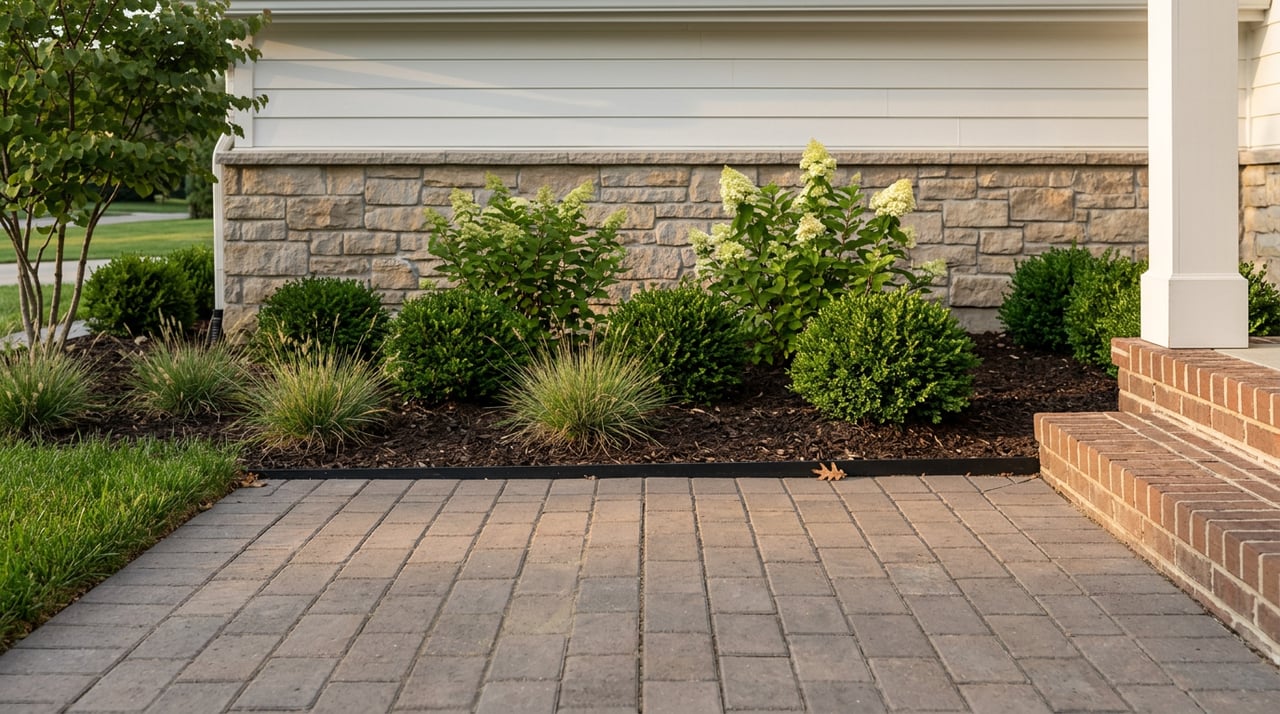
The Heritage Trace Townhome HOA covers landscape maintenance, private alleys, and exterior building maintenance including paint, trim, roofs, gutters, downspouts, and the water and sewer lines lying outside the foundations, according to the association's disclosure provided to buyers. That same disclosure notes rentals are prohibited during the first year of ownership, which matters if you are a relocating buyer weighing a short-term lease-out option.
Read that list carefully. In a Heritage single-family purchase, every one of those items lives on your maintenance budget. A townhome carrying a higher combined HOA figure is not more expensive to own. It is more predictable to own, because dues that look large on paper are absorbing a roof replacement you would otherwise be reserving for privately.
The other side of the trade is control. Because both the master and the sub-association enforce standards, exterior changes require Architectural Review Committee approval, and the Heritage Wake Forest Two Standards & Guidelines are explicit that a Master ARC approval does not substitute for a permit from the Town of Wake Forest or the Town of Rolesville. Heritage crosses into Rolesville along its northern edge, so the correct permitting authority for your specific address is worth confirming before you plan a fence or a screened porch.
The club decision is a monthly-payment lever, not a lifestyle question
This is the part of the stack buyers most often mis-price.
Because Heritage Club membership is elective, the same house can carry a very different monthly payment depending on which tier the owner chooses:
- A Social or Sports membership is a modest add and gives access to the clubhouse, dining, and, at higher tiers, pool and fitness use.
- A Full Golf membership at a semi-private club of Heritage's caliber runs into four figures annually once dues and typical assessments are stacked, and initiation fees apply.
- Non-members still eat at 1250 Heritage, which the club and the chamber both confirm is open to the public. That is a real cost saving people miss.
The trap is treating the club like an amenity rather than a variable. If you are underwriting a Heritage purchase against a home in Traditions or Holding Village, where the amenity stack is bundled into HOA fees at a lower ceiling, the honest comparison is Heritage's dues plus the membership you actually intend to buy. Not the tier the current owner has. Memberships do not automatically transfer, and pricing changes, so the number to run is your household's expected use, priced at today's club rates.
Two Heritage homes at the same price, laid side by side
Here is how the stack plays out in practice, using the same $550,000 list price for both.
Home A. Heritage Trace townhome.
- Master HOA to Heritage Wake Forest Two.
- Sub-association to Heritage Trace, covering landscape, private alleys, and exterior building envelope.
- Owner declines a golf membership and takes a Social tier for clubhouse access.
- Reserve line for personal exterior maintenance is near zero. Roof and paint sit inside dues.
Home B. Heritage single-family on a golf-view lot.
- Master HOA to Heritage Wake Forest or Heritage Wake Forest Two.
- No sub-association.
- Owner takes a Full Golf membership.
- Reserve line for roof, exterior paint, gutters, and landscaping is fully on the owner.
Home A's HOA line is larger. Home B's true monthly cost, once the club tier and a realistic maintenance reserve are added, is meaningfully higher. Neither is the wrong answer, but they are not the same offer.
What to verify in writing before you sign
Every fee number in this post is directional. The only numbers that matter are the ones tied to your exact address, in writing, before your due diligence period closes. In North Carolina, that period is negotiated and short, so the checklist matters:
- Ask the listing agent which master HOA governs the address, and whether a sub-association also applies. If yes, request both sets of dues, both sets of covenants, and both budgets.
- Confirm which items the sub-association covers on the building envelope. Roof and exterior paint are the ones that most change your reserve math.
- Request the current Heritage Club fee schedule from the club directly. Ask about initiation, monthly dues, minimums, and food and beverage minimums at each tier you are considering.
- If the seller currently holds a membership, ask in writing whether it conveys, whether it lapses at closing, and whether initiation is reset for the next owner.
- Verify permit jurisdiction for your address. Some Heritage properties fall under the Town of Rolesville rather than Wake Forest.
- If you are buying a townhome or villa, confirm the sub-association's rental policy. Heritage Trace, as one example, prohibits rentals during the first year of ownership.
Your closing attorney and lender both need these numbers early. A revised HOA line item late in underwriting has derailed more Heritage deals than any inspection issue we see.
Why this matters more in the 2026 market
Wake Forest's headline number is loosening. The median sale price sat near $490,000 in the three months ending May 2026, up about 3.6 percent year over year, with homes taking about 38 days to sell against 41 days a year earlier. Wake County overall was slightly softer over the same window. When inventory tightens, buyers overpay by waiving contingencies. When it loosens, they overpay by underestimating carrying cost. Heritage in 2026 is a carrying-cost market.
Two forces reinforce that. First, the Complete 540 project's Phase 2 is under construction and is projected to open in late 2028, which will re-price commute access across the eastern Triangle and, by extension, the relative value of Wake Forest addresses. Second, toll costs on the existing Triangle Expressway are already a real line item. As of June 2026, the end-to-end two-axle toll on Toll NC 540 is $8.04 with a valid transponder and $16.08 by bill-by-mail, per NC Quick Pass. A daily commuter is spending real money on the road before the mortgage is even calculated.
Cost stack literacy is what turns a Heritage tour into an accurate offer. If your budget is built around the list price alone, you are buying a different home than the one you think.
FAQ
Does the HOA fee shown on the MLS include the Heritage Club? No. Heritage Club memberships are elective and priced separately by the club. The HOA fee typically covers only the master and, where applicable, sub-association dues.
Can I use 1250 Heritage without a membership? Yes. The clubhouse restaurant is open to the public for lunch and select dinner service, as confirmed by the club and the Wake Forest Chamber's member listing.
If I buy a Heritage single-family home, do I still have to go through architectural review for exterior changes? Yes. Both master associations enforce architectural standards, and their approval is separate from the permit you may need from the Town of Wake Forest or the Town of Rolesville.
Is a townhome in Heritage always more expensive to own than a single-family home? Not necessarily. Townhome dues are usually higher because the sub-association is absorbing costs that a single-family owner pays privately. The right comparison is total monthly outlay including reserves and any club membership you plan to hold.
If you are evaluating a Heritage purchase from out of state or comparing it against other Wake Forest options, we build the full cost stack for you before you write the offer, not after. Carolina Elite Realty Group works with relocating buyers and move-up families across the Triangle every week. Schedule Your Consultation to get an address-specific cost breakdown and current club fee schedule in one place.